
Start of a revolutuion?
Words and photos – Kenneth Erlandsen
In recent years, snowboarding has seen explosive global growth in grassroots events, grounded in the core values of board sports culture – community, play, and creativity.
Is a quiet revolution underway?
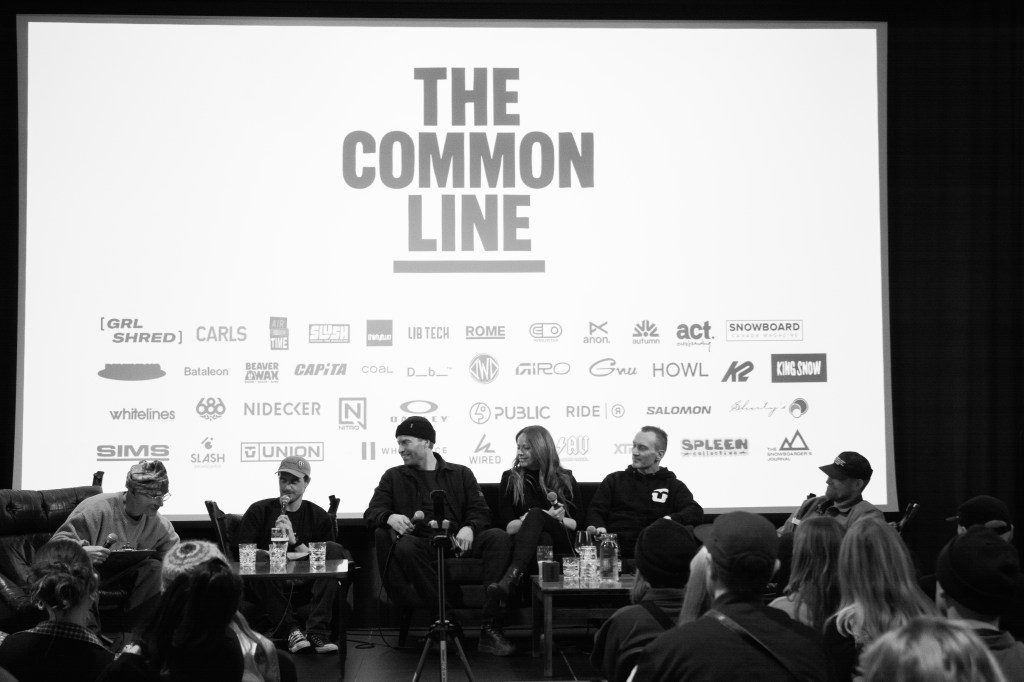
This very question lies at the heart of the snowboard and art project The Common Line, which drew a large audience to Carls in Oslo on Friday, April 14, to take the pulse of snowboard culture’s direction and trends in 2026.
What is The Common Line?
“I got the idea at home in Normandie last June,” says an enthusiastic founder, Lucas Beaufort.
“The motivation is to create a snowboard project that’s different – where I tour the world, bring the industry together, talk about what motivates and unites us, and what snowboard culture really is. It’s about collaboration for a shared future in snowboarding.”
Beaufort’s tour began in December in the USA and Canada, before moving on to Japan around the New Year. Five events are held in Europe throughout the winter, with Oslo as the second-to-last stop before the tour concludes in Levi, Finland, on April 19.
Lucas Beaufort smiles when asked why Norway and Oslo were chosen as a stop on The Common Line tour.
“It’s because of Terje (Haakonsen, ed.). Subject Haakonsen was the first snowboard movie I ever bought, and Terje is the reason I started snowboarding. So it wouldn’t have been a complete tour without a stop in Norway, and Oslo was the natural place to host the event.”
A fitting tribute to The GOAT, then – perhaps without Haakonsen himself being fully aware of it?
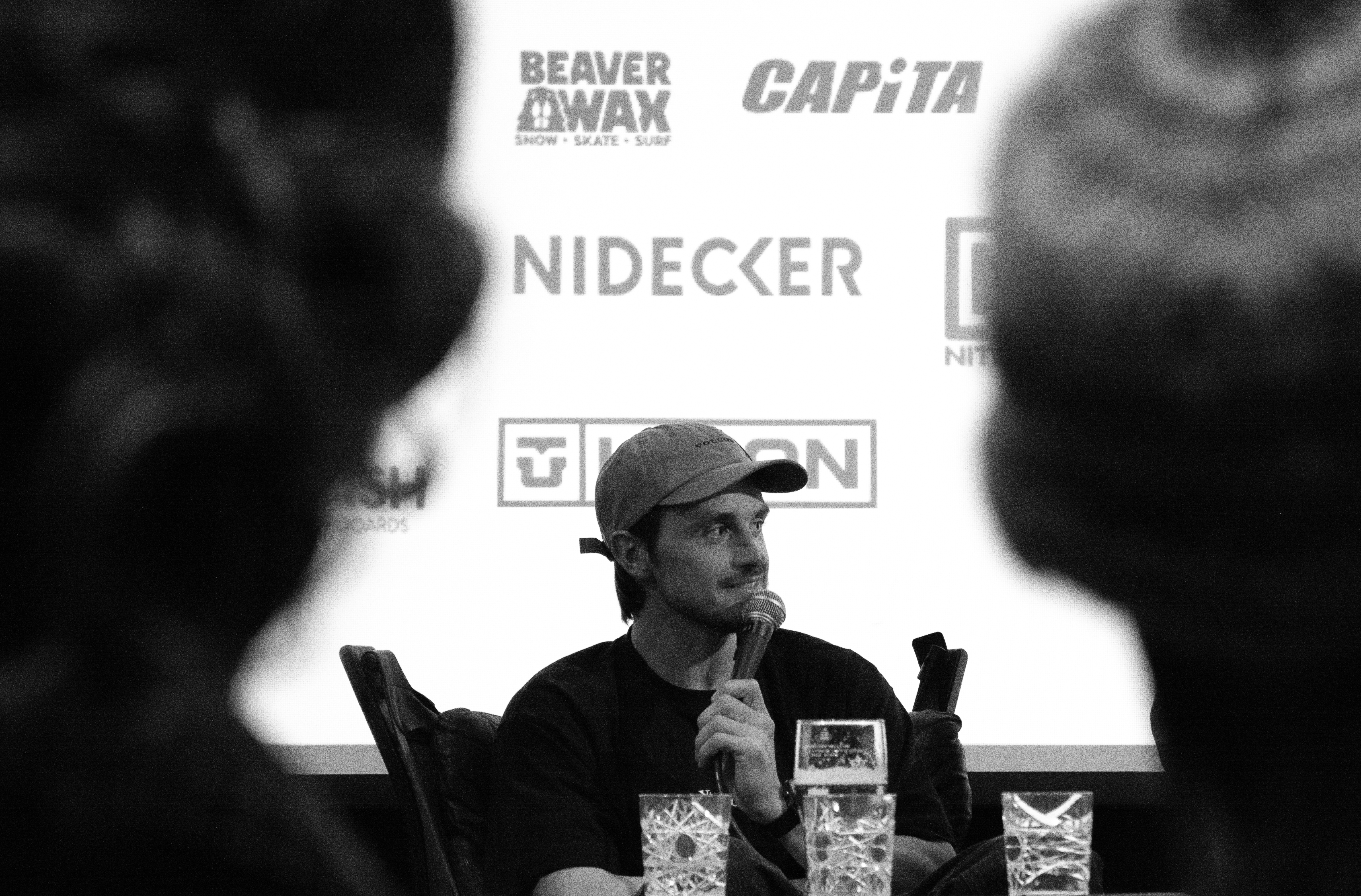
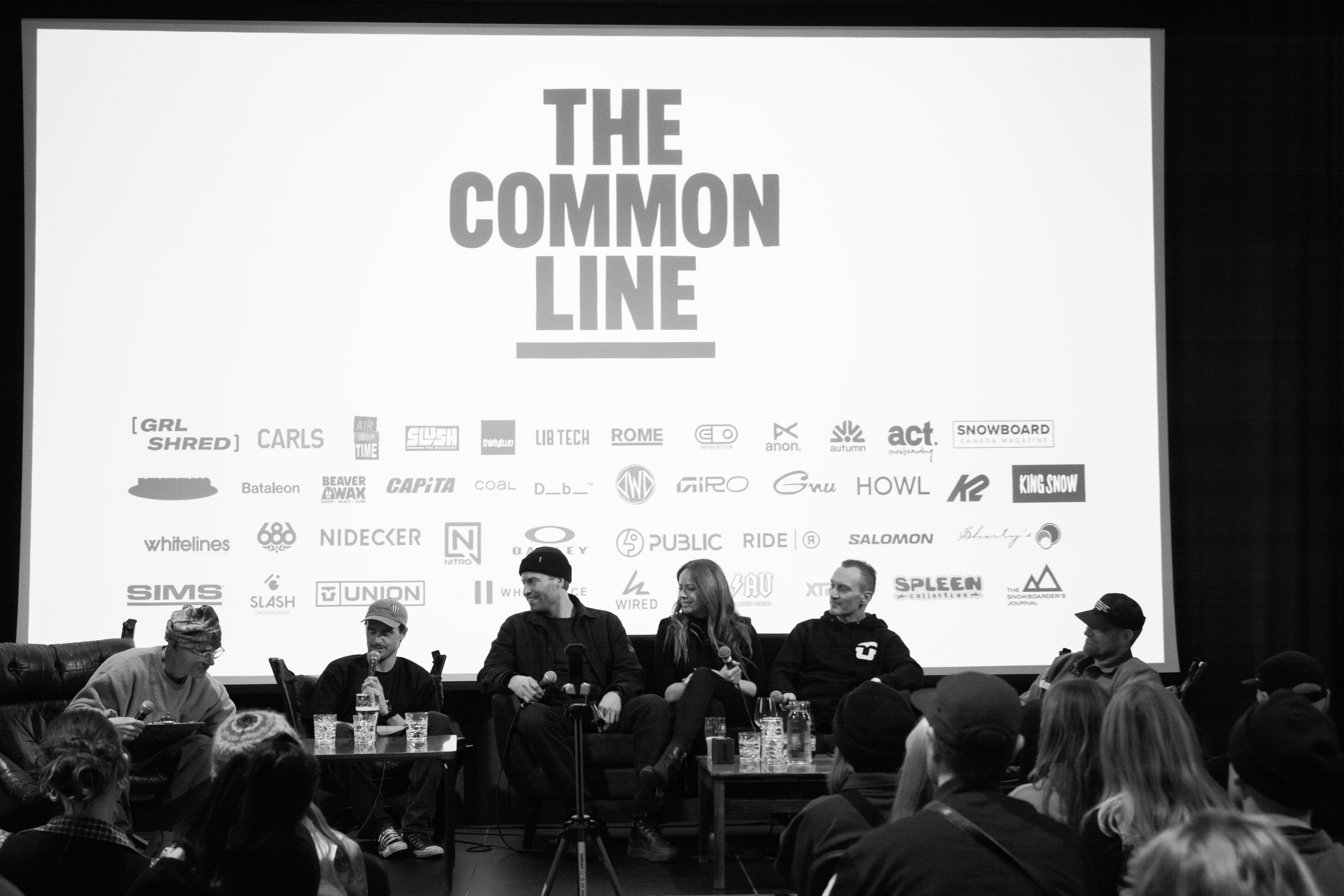
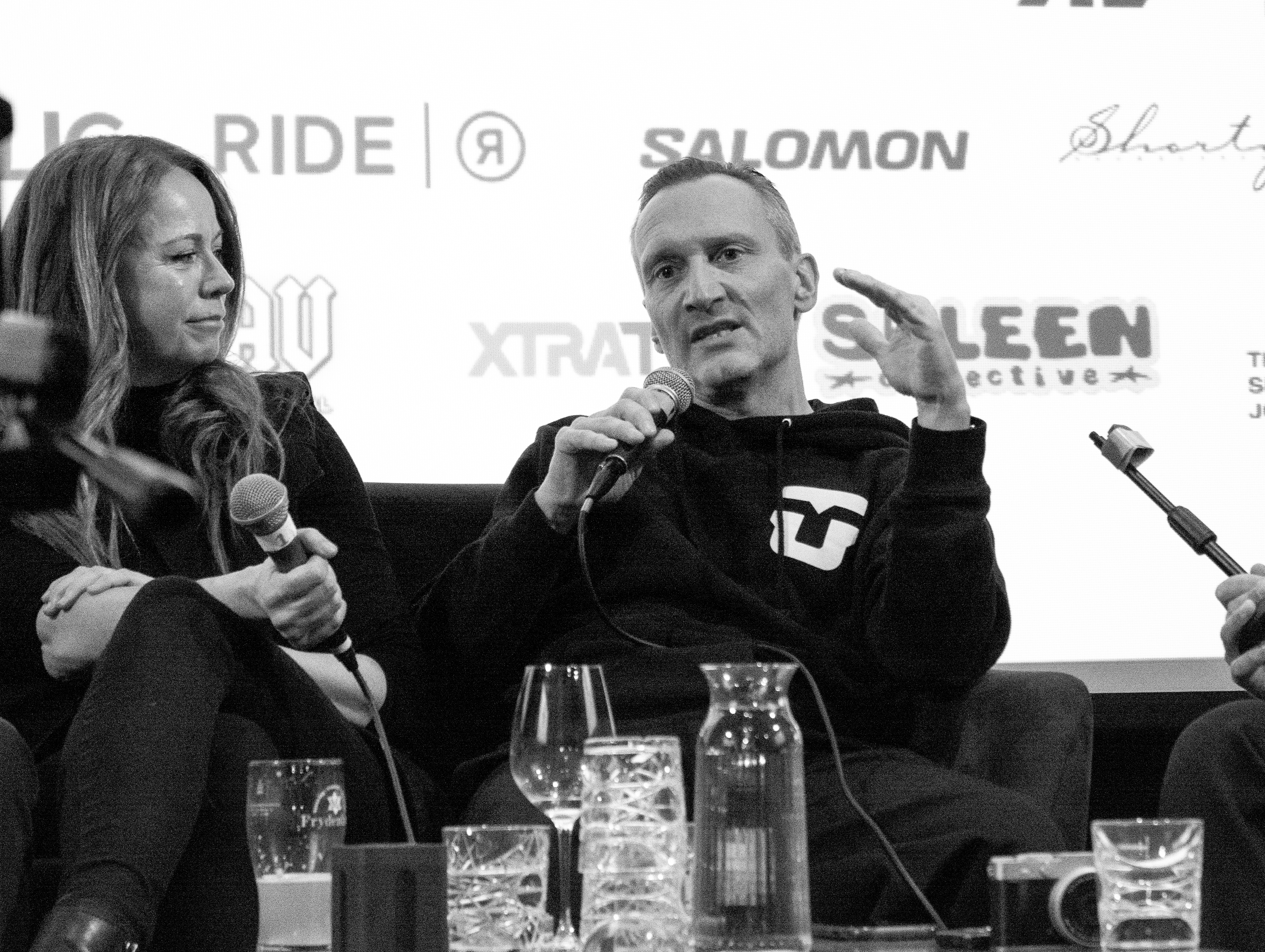
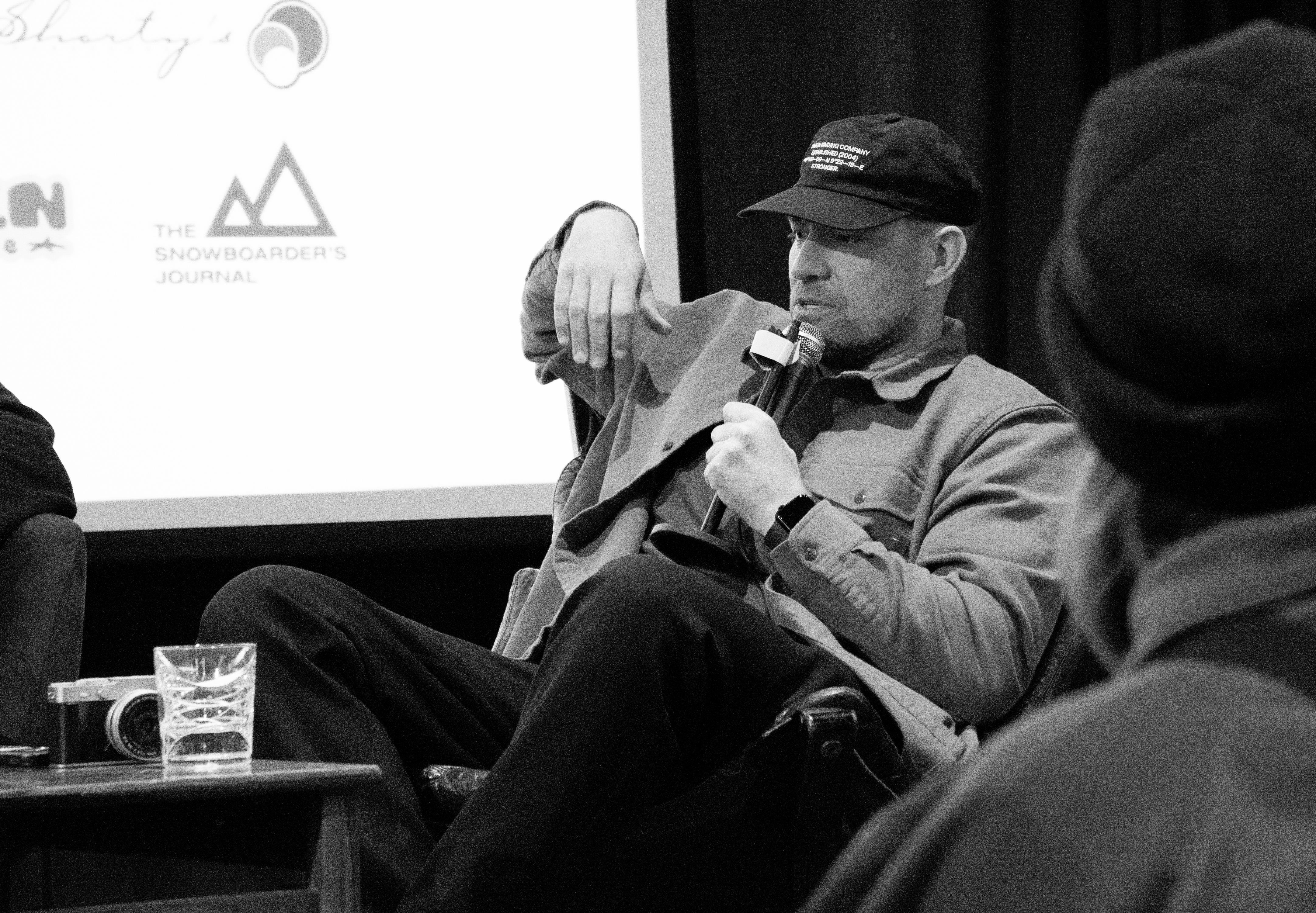
“The reception for The Common Line has been incredibly positive,” Beaufort continues, confirming that the concept has attracted many industry profiles and attendees. Several sponsors were present at the events in the USA and Canada, something Beaufort missed in Europe.
“I would have liked to see more sponsors joining the European leg of the tour. My goal for the coming years is for that to happen, because I want to bring the entire industry together across borders.”
The Common Line + Ane Gyllstrøm = True Love
For most snowboarders, riding isn’t about being the best, but about a strong inner motivation to move sideways on snow. Why did I start snowboarding? What is it about snowboarding that draws me in?
These questions were thoroughly addressed from the stage, and the answers stood in stark contrast to the development of competitive snowboarding, which has reached such an extreme level that many feel detached from it and struggle to relate.
Perhaps it is precisely this distance that has fueled a counterculture rooted in the need to pause and ask the question: What is snowboarding really about for most of us?
One person clearly motivated by the inherent power of board sports is Ane Gyllstrøm, founder of the concept Girlshred. Since its inception, Girlshred has become an epicenter for girls in snowboarding. Much of the success can likely be attributed to Gyllstrøm’s personality – best described as energetic, charming, and inclusive – which was clearly visible during Friday’s gathering in the capital. Ane stands out, draws people in, and owns the stage.
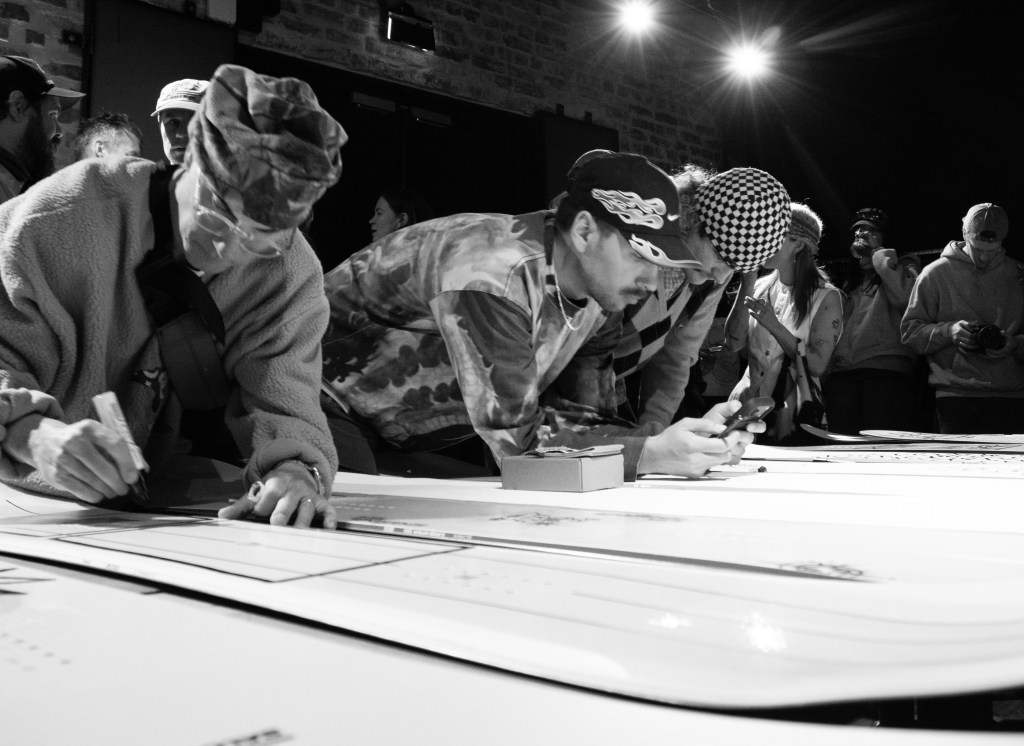
“Snowboarding has become part of my identity. It’s extremely important to how I feel in life. It’s that simple,” Gyllstrøm explained herself, surrounded by a buzzing crowd attending the art portion of The Common Line, where four Norwegian artists decorated white-painted snowboards together with Lucas Beaufort.
“In the future, Girlshred will cross borders. We want to get as many girls as possible off the couch and out into nature on a snowboard. We keep seeing more people join and find friends later in life,” said a visibly proud Gyllstrøm.
Later that evening, the Girlshred founder won a custom-designed Salomon board in a rock-paper-scissors duel organized by Beaufort.
Around the Table
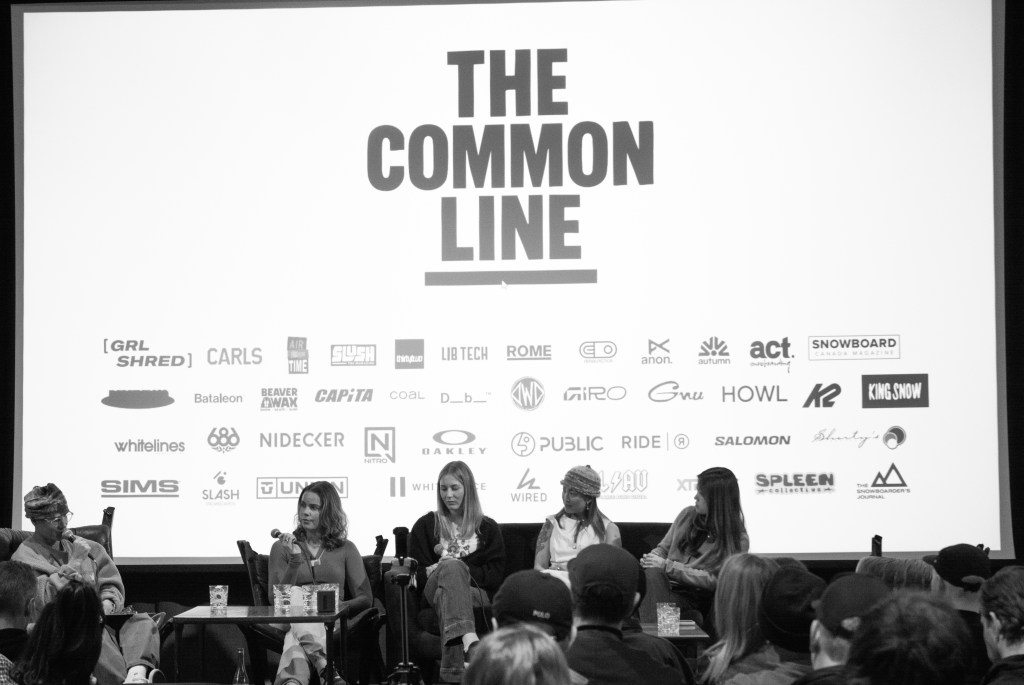
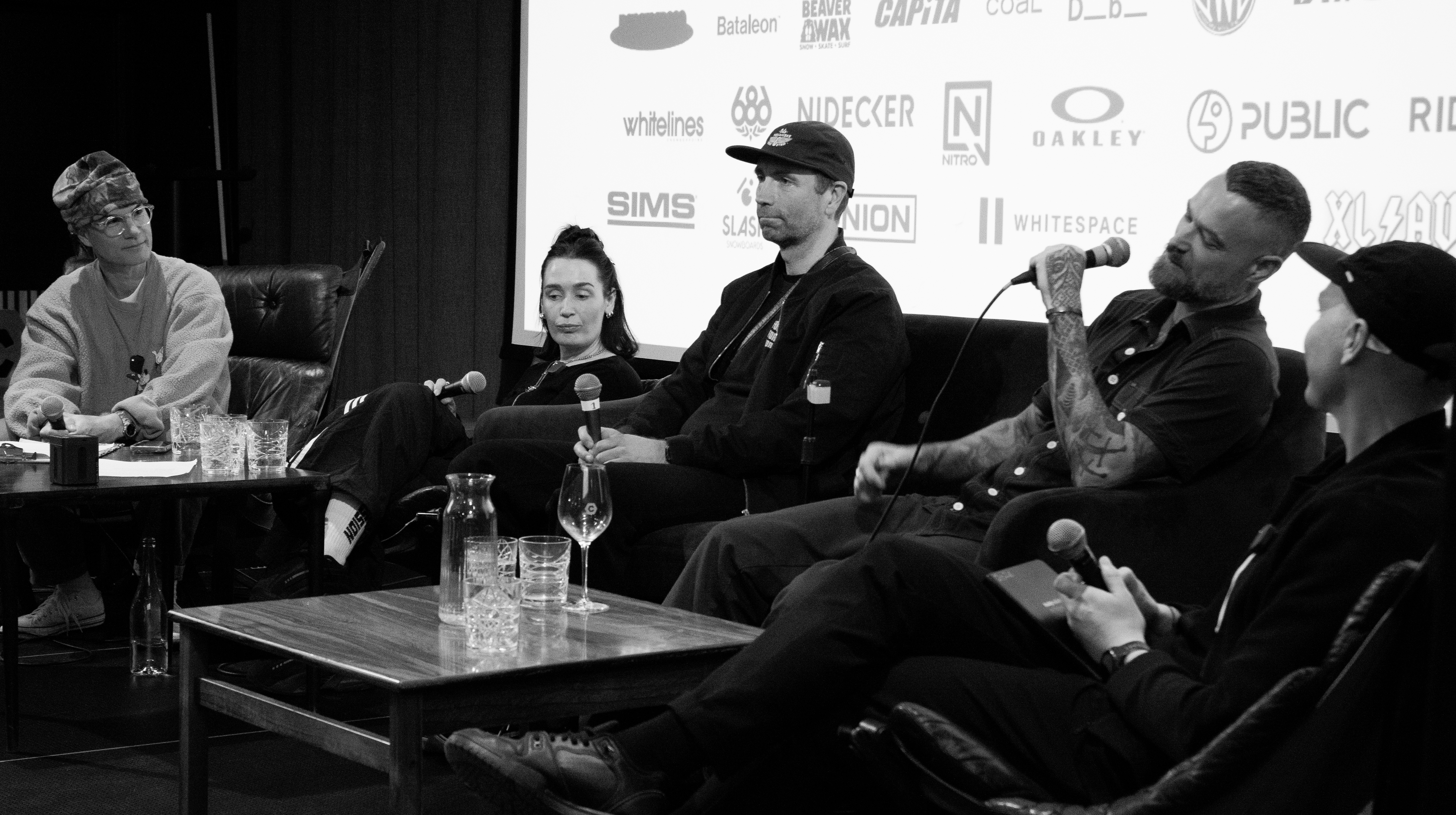
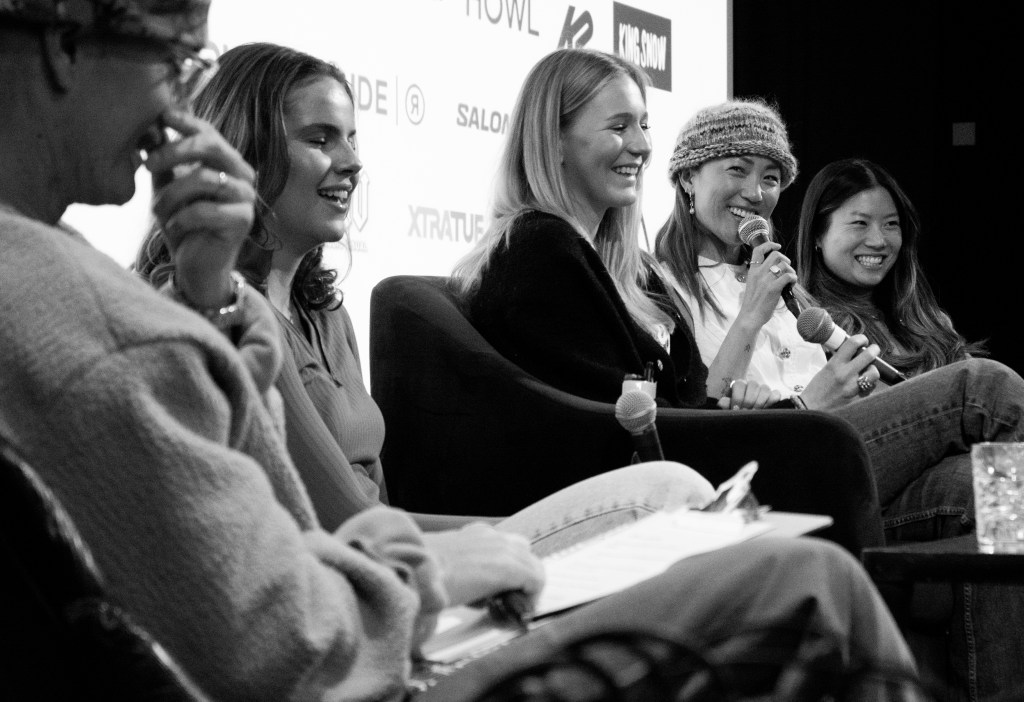
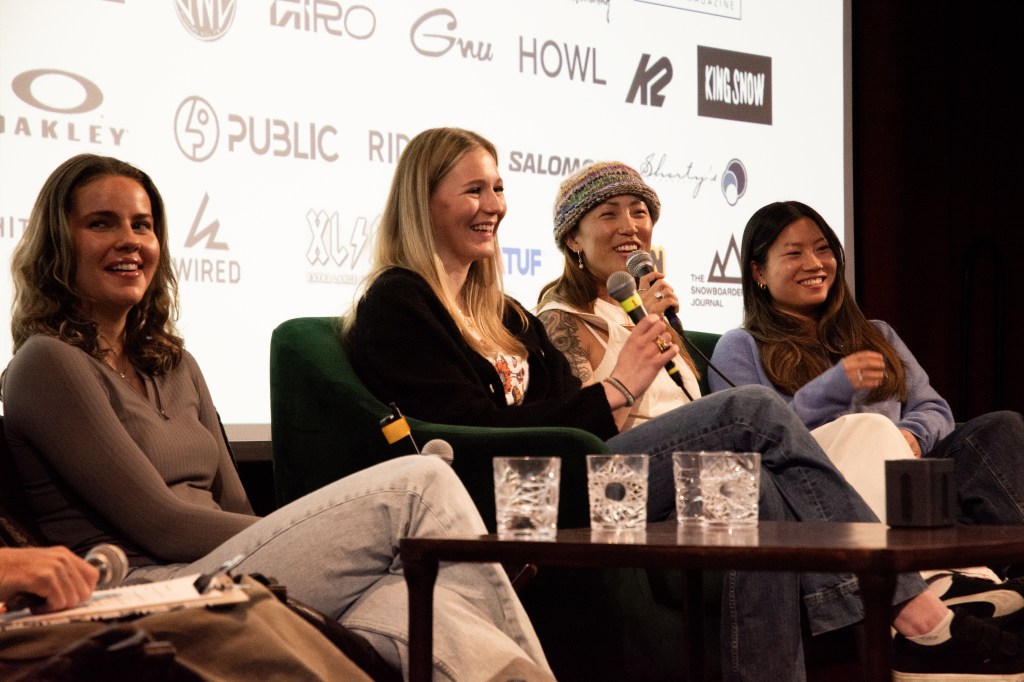
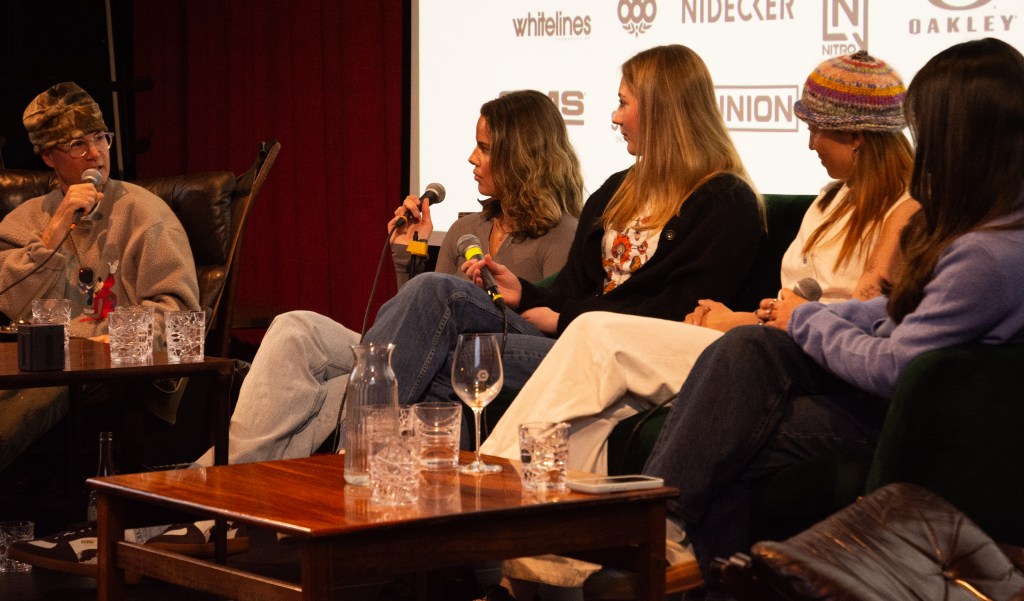
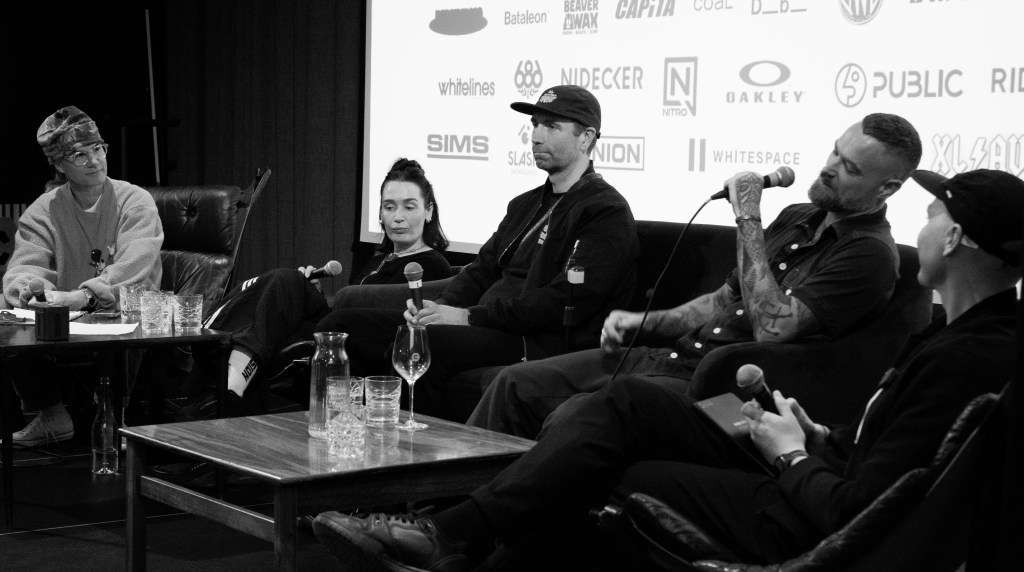
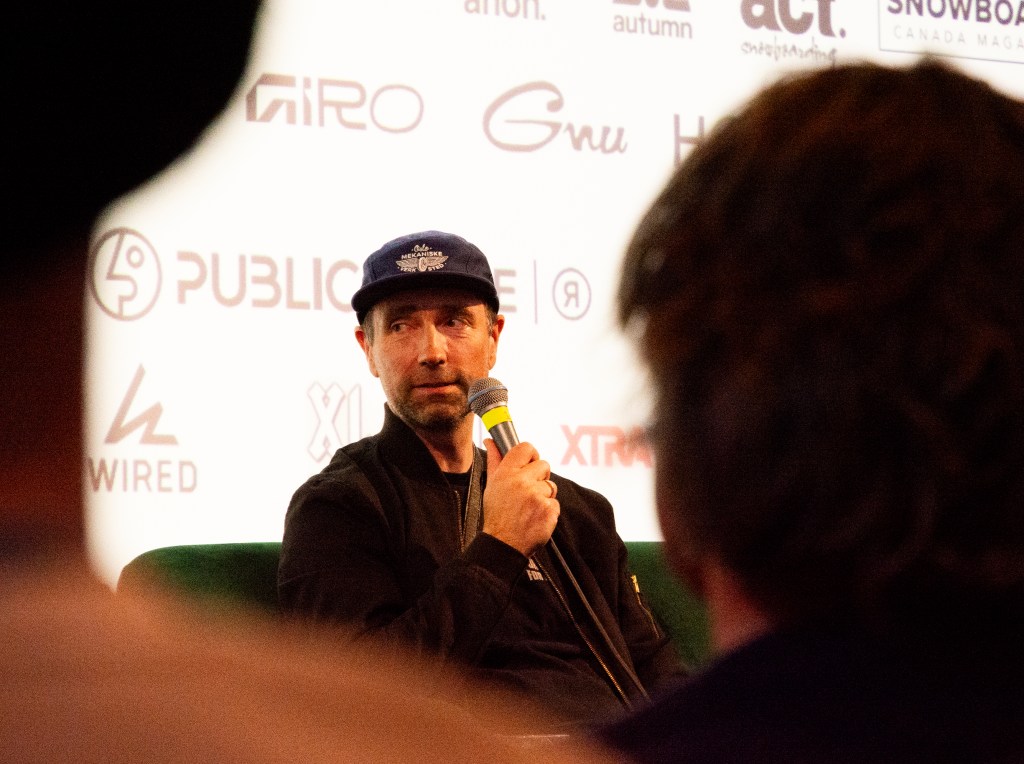
At the core of Beaufort’s project are conversations with snowboard profiles across the industry. In Oslo, the Frenchman gathered a broad panel consisting of Emine Kinck, Hanne Eilertsen, Ane Gyllstrøm, Bettina Roll, Sondre Hylland, Andreas Wiig, Thomas Olsen, Stine Bruun-Kjeldaas, Peter John De Villiers, Truls Brataas, Marte Sundsbakken, and Simen Strandås.
The topics included the state of the industry, the development and direction of snowboarding, what it’s like to pursue a snowboard career in 2026, and the future outlook for the sport.
With three panel discussions followed by live artistic decoration of white-painted snowboards by Jens Kristian Hognestad, Rasmus Nielsen, Thekla Tinholt, and Sofie Bakkemyr, Lucas Beaufort’s project can safely be described as an artistic and academic snowboard evening.
And according to Beaufort, there’s more to come.
“I can reveal some news tonight. Next year, The Common Line will host an event in Kosovo. From massive Whistler to a tiny, unknown resort in Kosovo. Oh man, that will be a great story.”
Broad Industry Support
Beaufort’s project enjoys broad support from the snowboard industry, something clearly reflected in the stage backdrop through a large number of partners.
“From June to September last year, I spent ten hours a day on the phone with sponsors. I think around 90% said yes immediately. I struck something special with how I presented The Common Line, and the feedback from the industry was: This is something we support.”
Industry Status
“Margins are low, but the stoke is high” was without question the statement that received the most applause from the stage at Carls. Industry veteran Simen Strandås from Surfesjappa in Oslo put words to the state of the snowboarding industry in 2026.
At the same time, the quote captured what many snowboarders are experiencing today – a sharply increasing enthusiasm for grassroots events in Norway and globally. This is confirmed by the record number of banked slalom events this season, in addition to Girlshred, Hike The Pipe, and Old Boys NM in Norway, as well as Homesick and the Jill Perkins Invitational in the USA, to name a few.
Has the Jury Reached a Verdict?
Historically, snowboarding has followed the same path as other subcultures. What began as a small movement among enthusiasts has, through increased interest and commercialization, developed in multiple directions. For snowboarding, the consequence has been a dilution of the culture, where the highest levels of competition in particular appear distanced from the sport’s core values.
This topic was thoroughly discussed by the panels at Carls. There is no single right or wrong in snowboarding. There are only differences, with room for everything – that is the main takeaway from the conversations.
The Common Line does not define what snowboard culture is, but the project serves as an important reminder of why most people snowboard in the first place.
“There are endless ways to ride a snowboard, but in short, it’s about all of us doing the same thing – riding from top to bottom, following the same line. That’s what connects us, and that’s The Common Line,” concludes the likable Frenchman.

 27 - 9
Leave a comment