
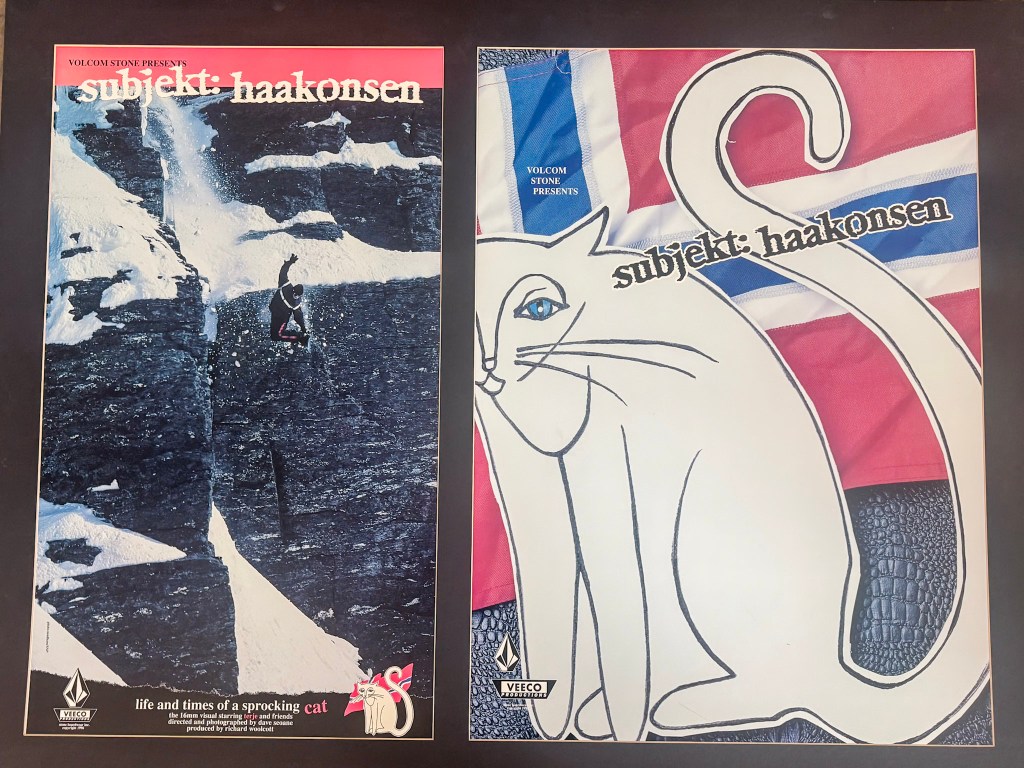
Thirty Years of Subject: Haakonsen
Words by Kenneth Erlandsen
Photos by Terje Haakonsen, Dave Seoane, Richard Woolcott/Woolcott Collection, Helmut Wahl, Mick Weber, Snowboarder Magazine, Kenneth Erlandsen
Fall 2026 marks thirty years since the premiere of Subjekt: Haakonsen – Life and Times of a Sprocking Cat. Three decades on the film still enjoys iconic status and is considered by many to be the most influential snowboard film of all time.
27-9 spoke with the people who made it — Volcom co-founder Richard Woolcott, filmmaker Dave Seoane, and the man himself, Terje Haakonsen. What we’re left with is so much material we barely know what to do with it. Other than cram as much as we can of what we’ve been told about this singular film into this piece. But before we get there we need to look back. Specifically to the early 90s. To a time when snowboarding was moving from underground scene to global phenomenon. Standing right at the center of that shift are this story’s three main characters — Terje, Seoane and Woolcott. All three would go on to shape board culture through the 90s and into the 2000s.
Back to the 90s
It’s been a long time since the 90s and specifically fall 1996 when Subjekt: Haakonsen premiered. A decade that can be hard to relate to if you weren’t around for it. At the same time a decade that’s easy to get romantic about for those of us who were. Back in the 90`s the way it worked was that some professional snowboarders focused either on competing or filming. While others, like Terje, combined filming with competing. A combination that could be hard to juggle with a busy season.
Terje elaborates —
“Up until the ’94 season I rode every World Cup event throughout the season. After ’94 I only prioritized the major events like the US Open, Air & Style and the European Championships in Laax to have more time for filming. I didn’t want to get stuck in the pipe and at the time there was also a lot of prestige tied to putting together a good film part. In fact, there were several riders who focused on competition because it was easy to land sponsors through good results. But as soon as they got sponsored they’d stop competing and switch to filming instead.
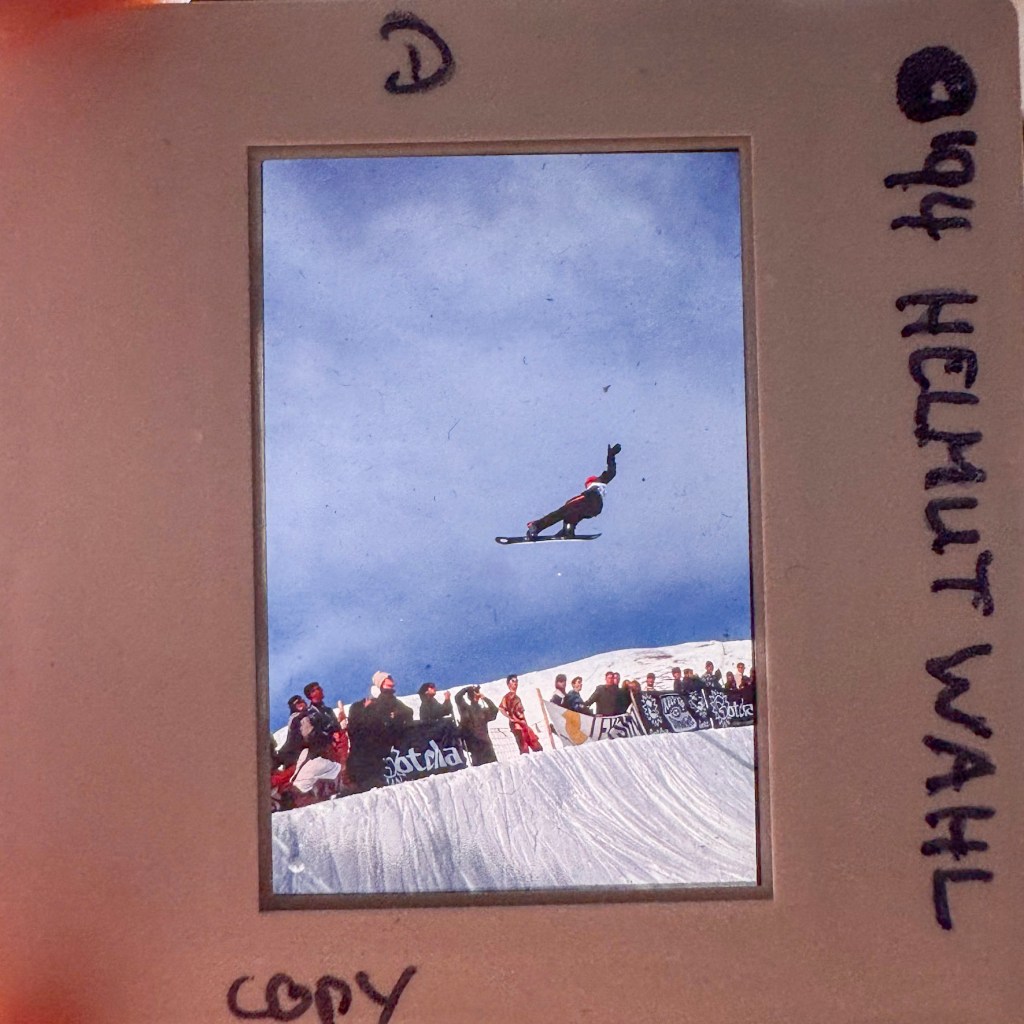
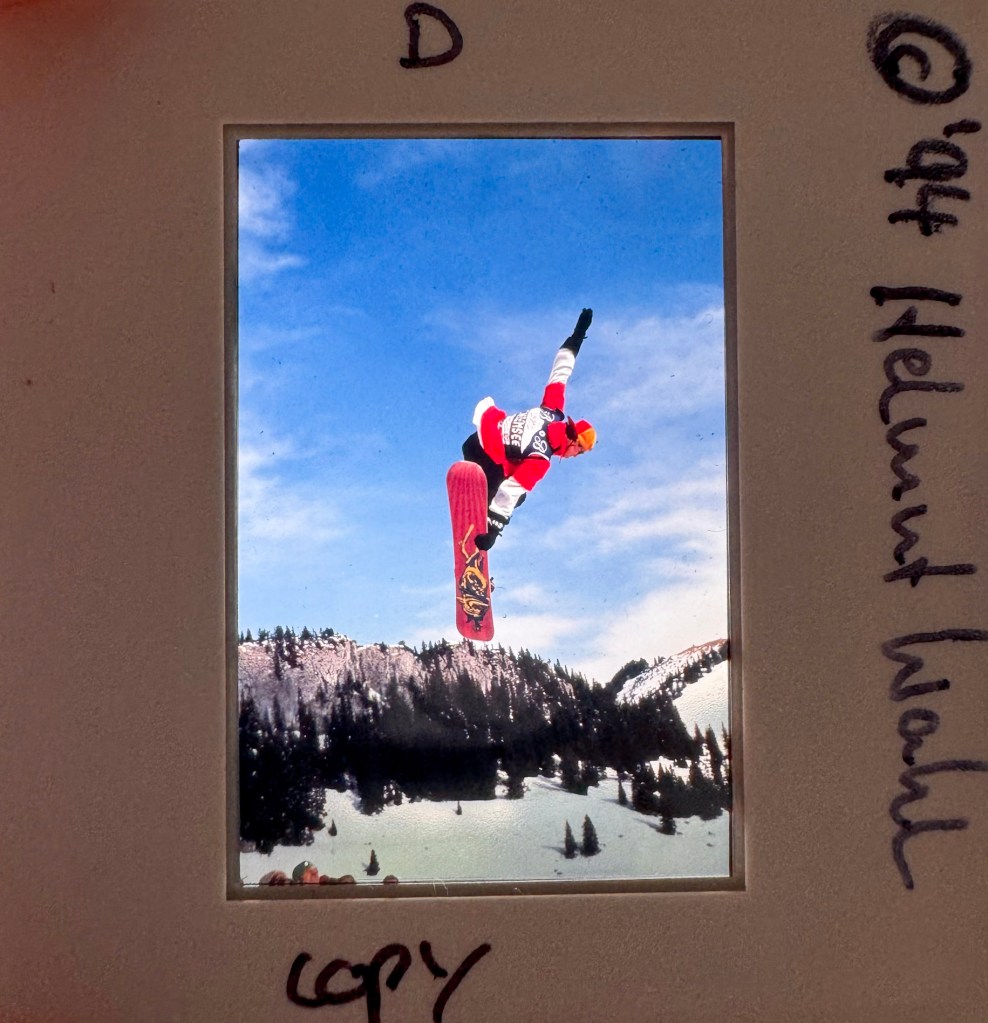
In the 90s, after the winter season wrapped up, the different production crews then cut together their films made up of parts filmed by various riders during the winter. A formula that’s still industry standard in 2026. So what was the difference between filming in the 90`s and filming today?
Everything from planning, film equipment, editing and distribution was fundamentally different in the 90s than it is today. We’ll come back to this later.
As for the framework conditions of the snowboard industry the 90s were snowboarding’s Klondike period. Equipment sales went through the roof globally, on the back of the sport’s explosive growth. Even here at home, in little Norway, a whole crop of board sport shops popped up run by die-hards all over the country. Every fall that year’s snowboard films would land on the shelves of those shops as VHS tapes in cardboard sleeves. But before that the films had big premieres around the world where anything that could crawl and walk among snowboarders and industry people showed up. At the premiere you saw what your favorite riders had put together from footage from the previous winter. A few weeks later the films went on sale in the core shops and went home with snowboarders who watched them repeatedly until the tape wore out.
And it was under exactly these conditions that Subjekt: Haakonsen premiered in the fall of 1996.
The Mysterious Stone
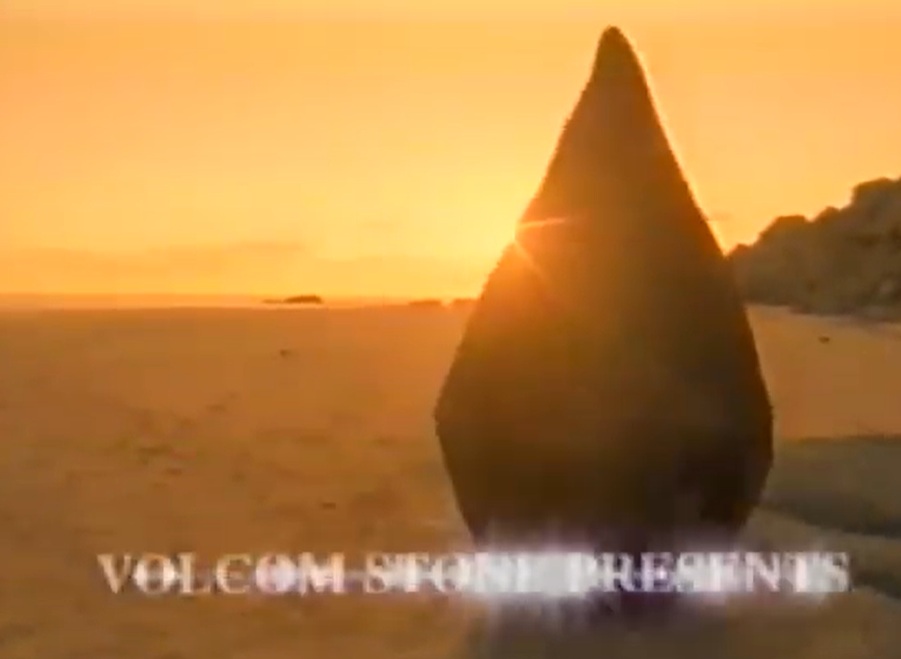
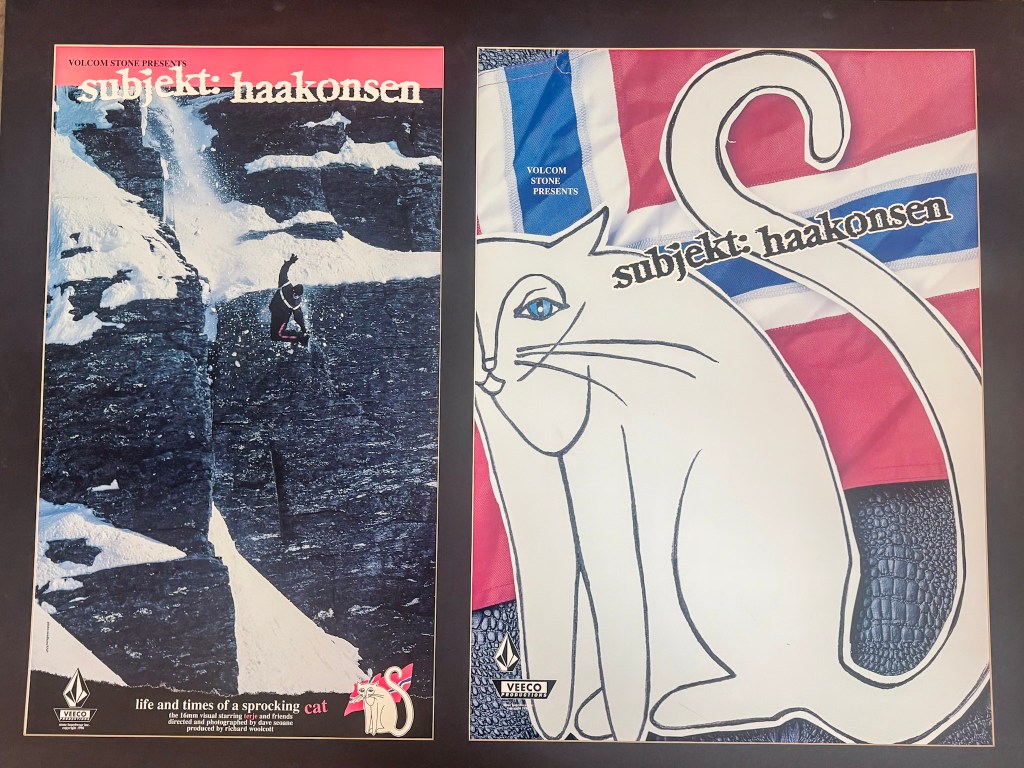
Behind the film stood Terje’s sponsor and clothing brand Volcom. The brand founded by Richard Woolcott and Tucker Hall in California in 1991 was built around the philosophy “Youth Against Establishment,” and is considered the first clothing brand to cover snowboarding, skateboarding and surfing from inception. Within a few years the Volcom Stone logo became one of the most recognizable symbols in board culture. In 1995 Volcom set up its own record label, Volcom Entertainment, making music, art and film an integrated part of the brand.
Before Subjekt: Haakonsen, Veeco Productions – Volcom’s own film production outfit- had several iconic productions under it`s belt, like Alive We Ride (1993), The Garden (1994) and Stoney Baloney (1995). While the first two movies were filmed mostly by up and coming camera operators, including Woolcott, Volcom brought on the professional cinematographer Brain Bleak for Stoney Baloney.
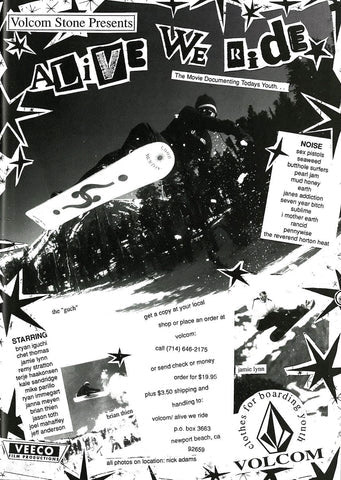
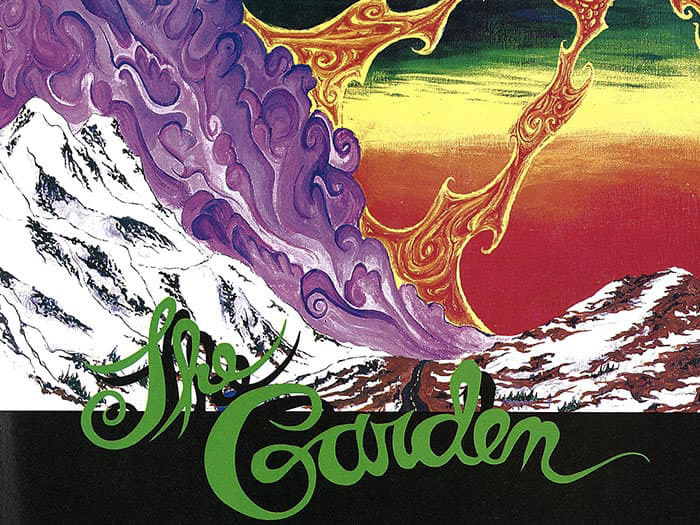
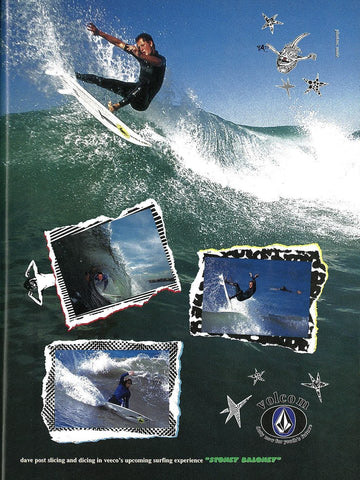
Based on the experience from shooting Stoney Baloney, Woolcott came up with the idea for Subjekt: Haakonsen and to follow the same recipe as for Stoney Baloney – hire a dedicated camera man for the film job. Which brings us back to where the film began and the conversations with Woolcott, Seoane and Terje.
The Idea
It’s mid-September when 27-9 gets Volcom co-founder Richard “Wooly” Woolcott on the phone. He tells us how the idea for the film was conceived.
“When I was working for Quiksilver in 1990 I made the surf documentary Kelly Slater in Black & White, with Jon Freeman. The film documented Kelly’s breakthrough — he was 18 at the time. Back then he was mostly known for his competitive achievements, but this film also showed what a good all-round surfer Kelly was.”
What was originally intended as a short documentary about Slater’s run to victory at the Body Glove Surfbout contest at Lower Trestles in 1990 grew into something much bigger — a film many believe changed the surfing world.
When Woolcott left Quiksilver and started his own brand, Volcom, the experience of making the Kelly film was a key influence on how central Volcom’s own films would become over the following decades. Woolcott says the Kelly film had a massive impact within industry and culture.
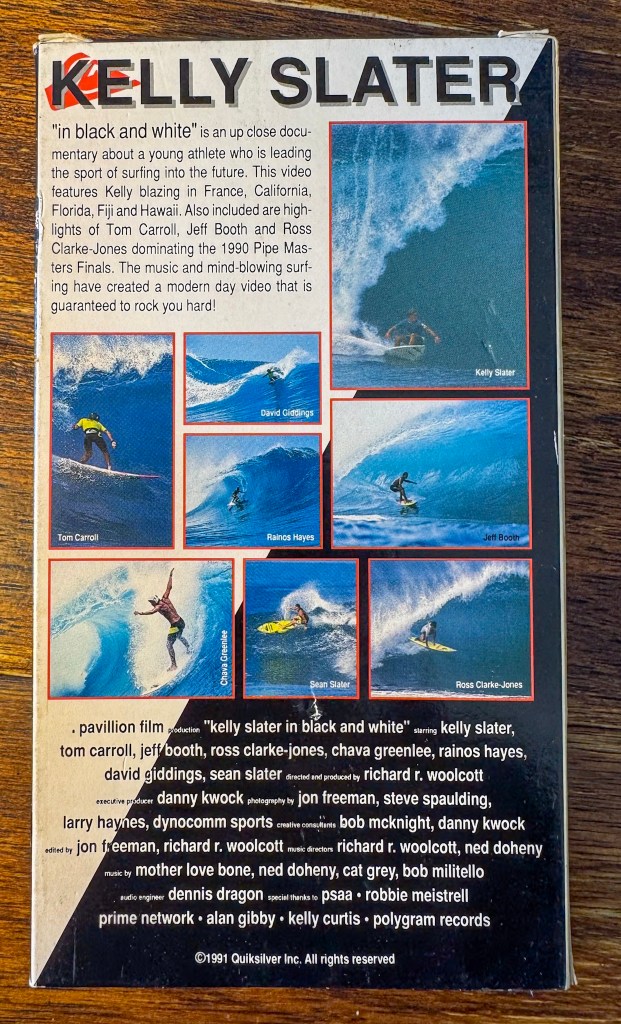
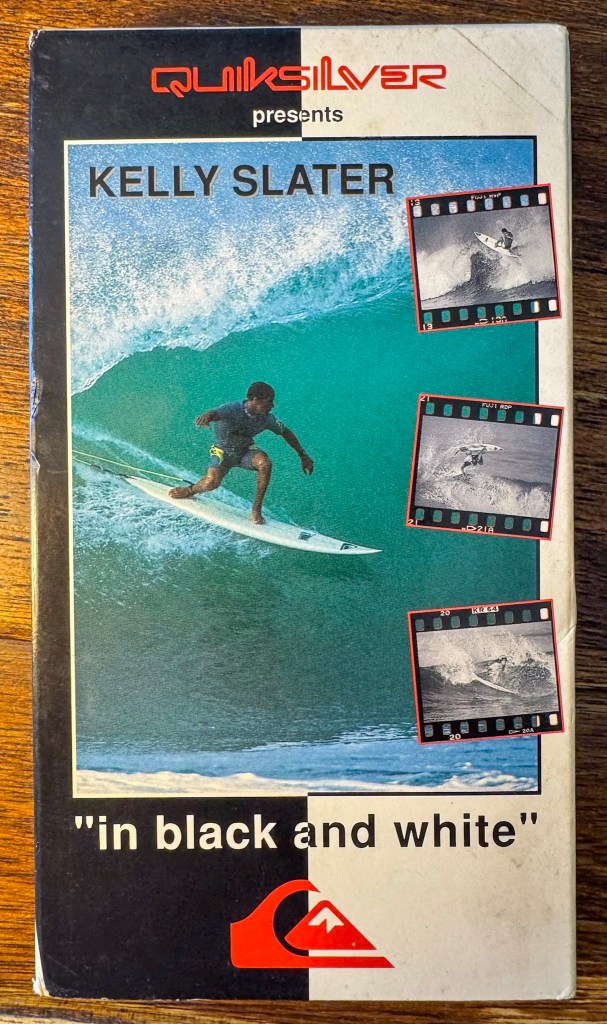
“I saw what enormous power the Kelly film had and figured we could make the same kind of film about Terje. Unlike Kelly, who was on his way up, Terje was already a big name so let’s build a film around him. We had everything we needed — experience, our own production company, and a global distribution network. On top of that we had team riders we could bring into the film like Bryan Iguchi, Daniel Franck and Sebu Kuhlberg.”
For Subjekt: Haakonsen Veeco productions brought in Dave Seoane to do most of the camera work.
“Dave had already worked with Terje on Roadkill (Fall Line Films, 1993), had shot for Volcom on Alive We Ride and was well steeped in the Volcom aesthetic from our earlier films. He took charge of the filming and travelled the world with Terje shooting footage. We gathered it all once the season was over and edited it in my trailer in Laguna Beach, with Terje on hand during the editing process.”
The Filming
Terje takes 27-9 back to the shoot which started in January 1996. Worth noting: the film’s premiere had already been locked in for September that same year. So the guys had just one winter season to gather material for the film, which in practice meant a shooting window running from January to August. Call it optimism if you like. But the 90s were a decade full of exactly that — optimism. The Berlin Wall had fallen, the Soviet Union had dissolved, and we’d started seeing the early rise of the internet. So maybe it’s not that strange that three snowboard obsessives ended up making one of the most influential snowboard films of all time in eight months?
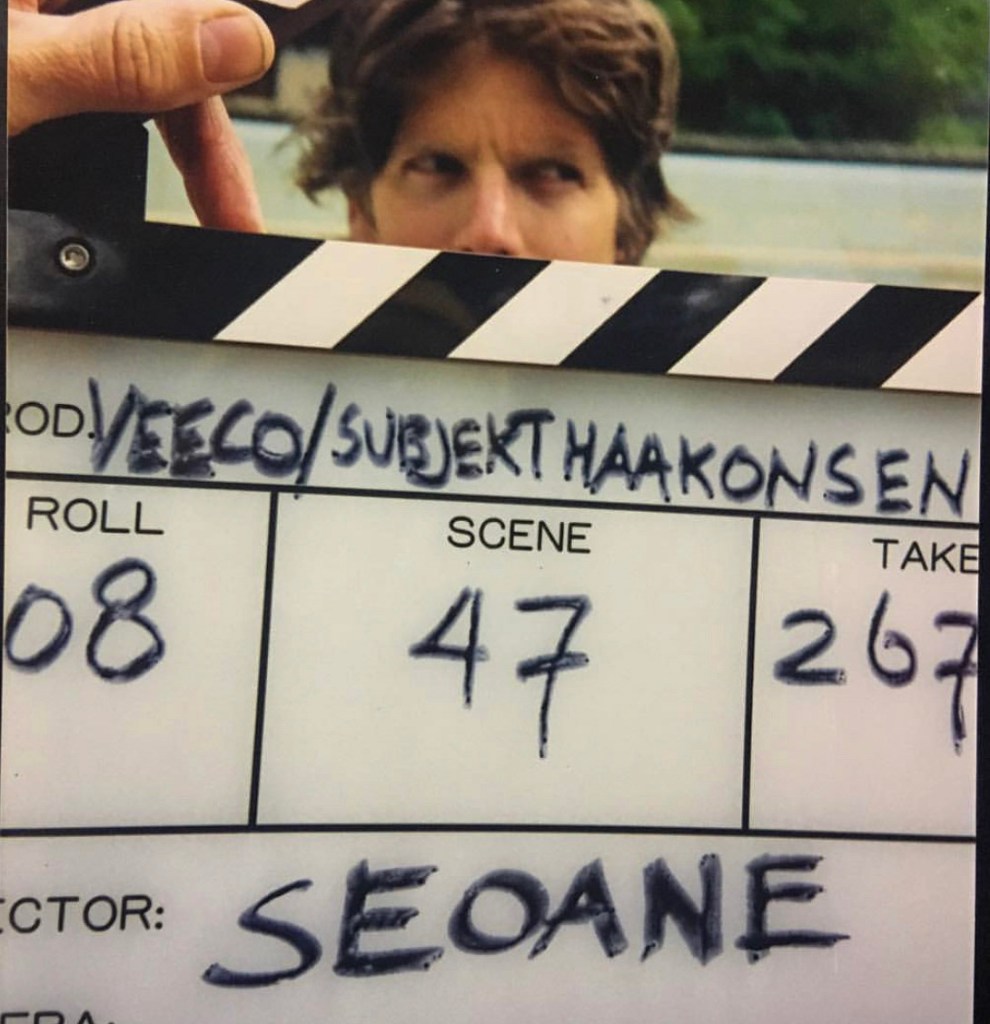
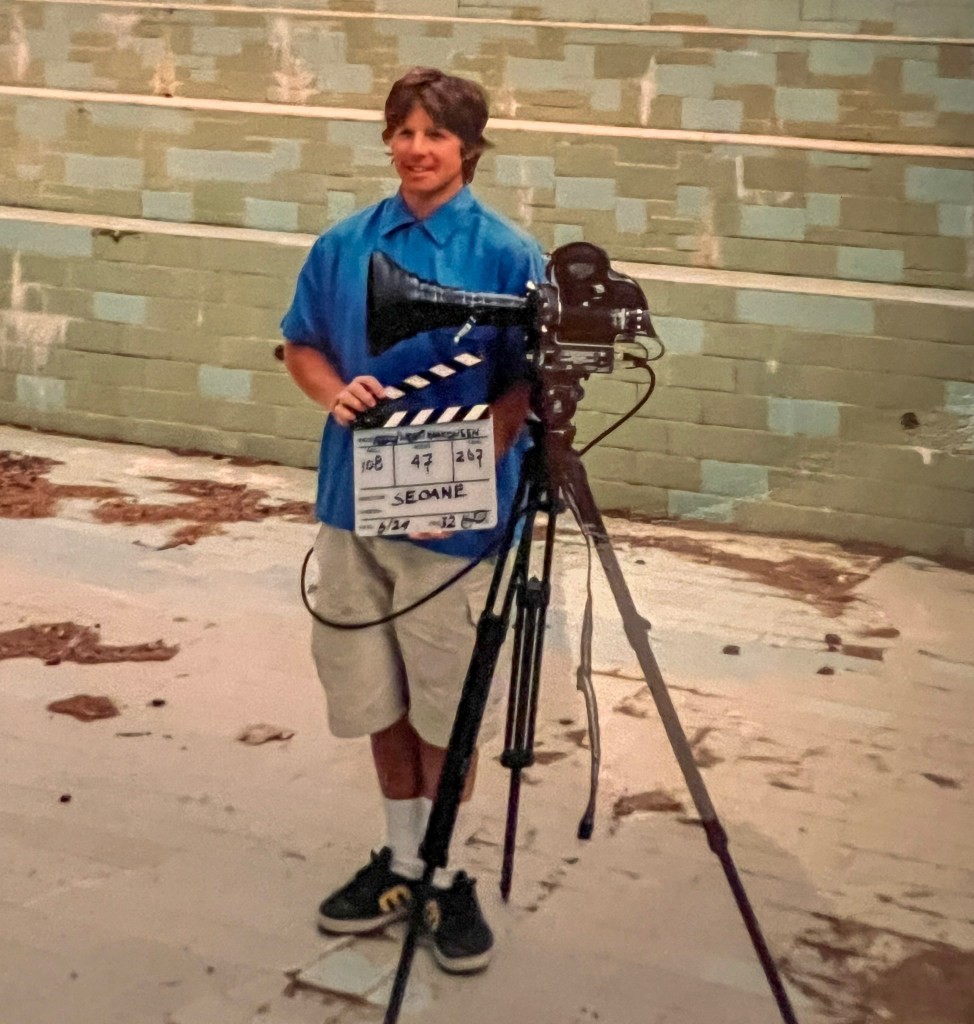
“We started filming in January `96. Over the course of the season we moved between Jackson Hole, Island Lake Lodge, Mt. baker, Japan, US Open, Riksgrânsen, Mt. Hood and New Zealand. Then we went straight into Woolys trailer in Laguna Beach and started editing,” Terje recalls.
Terje remembers that the shoot ran into bad snow conditions in Japan and at Island Lake Lodge. Seoane tells us about a term the guys had for filming trips that flopped
“Depending on conditions we used to say it was either good enough to collect footage, or just good enough to erase brain cells, ha ha ha!! We always had fun no matter the conditions,” Seoane laughs on the phone from California taking a break from his day job to talk to 27-9.
At Mt. Hood, Terje and Daniel Franck filmed a pipe sequence in just two days before Terje and Seoane flew to Riksgrânsen in Sweden. A shooting period that was dominated by mostly foggy and grey weather conditions.
And here we need to make a snowboard-history detour before we continue. Because May 1996 at Riksgränsen is forever written into snowboard history in gold ink. The man who wrote it was Ingemar Backman who flew higher out of Riksgränsen’s quarterpipe than anyone had before him. So what’s the connection between Ingemar’s air and Subjekt: Haakonsen? For a three-week stretch before Ingemar’s air, Terje and Seoane had been staying at Riksgränsen filming for Subjekt. They flew home from Sweden just days before the King of the Hill contest where Ingemar made snowboard history. Why? They had to wrap up the Subjekt shoot in New Zealand. But before heading home they managed to film a stack of tricks on that same windlip where Ingemar, just days after Terje’s exit, landed the most famous backside air in snowboard history.
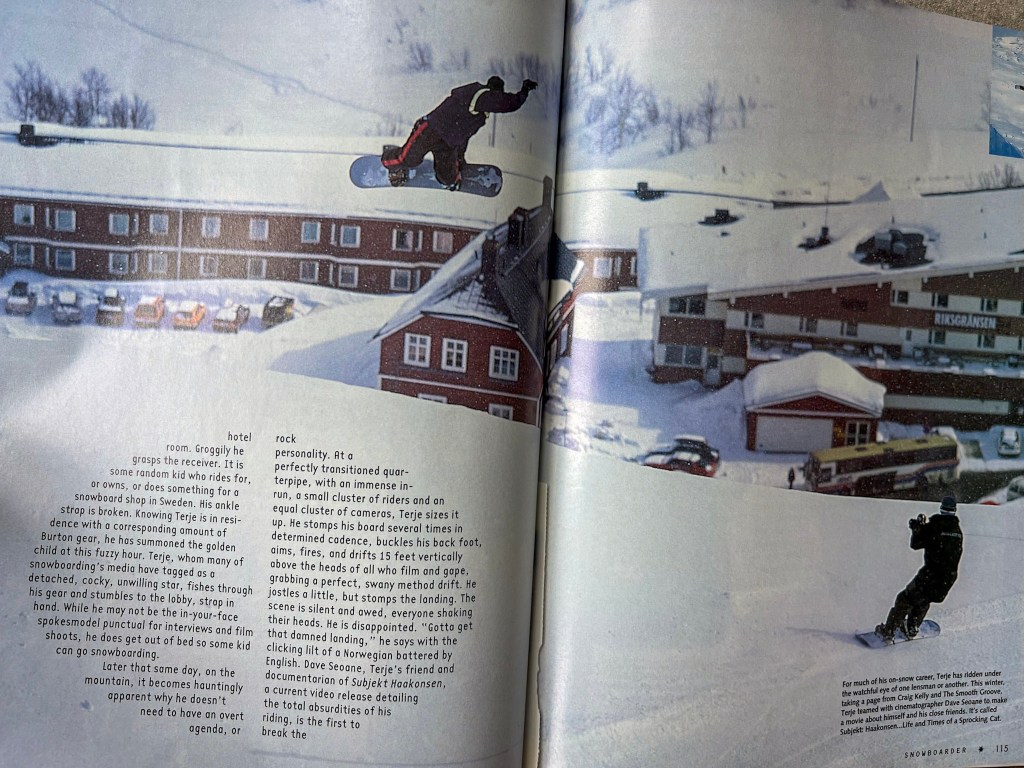
“Next year, everyone hopes Terje will be here,” wrote Funsport Snowboard editor Pelle Jansson in the Swedish magazine’s event coverage later that Fall. Terje came back to Riksgränsen but not until 2026. That’s when Ingemar Backman invited him to an anniversary session called King of the Hill 30. And so, another piece of snowboard history was made in the legendary quarterpipe at Riksgränsen, 30 years after Terje and Seoane’s filming stint and Ingemar`s air.
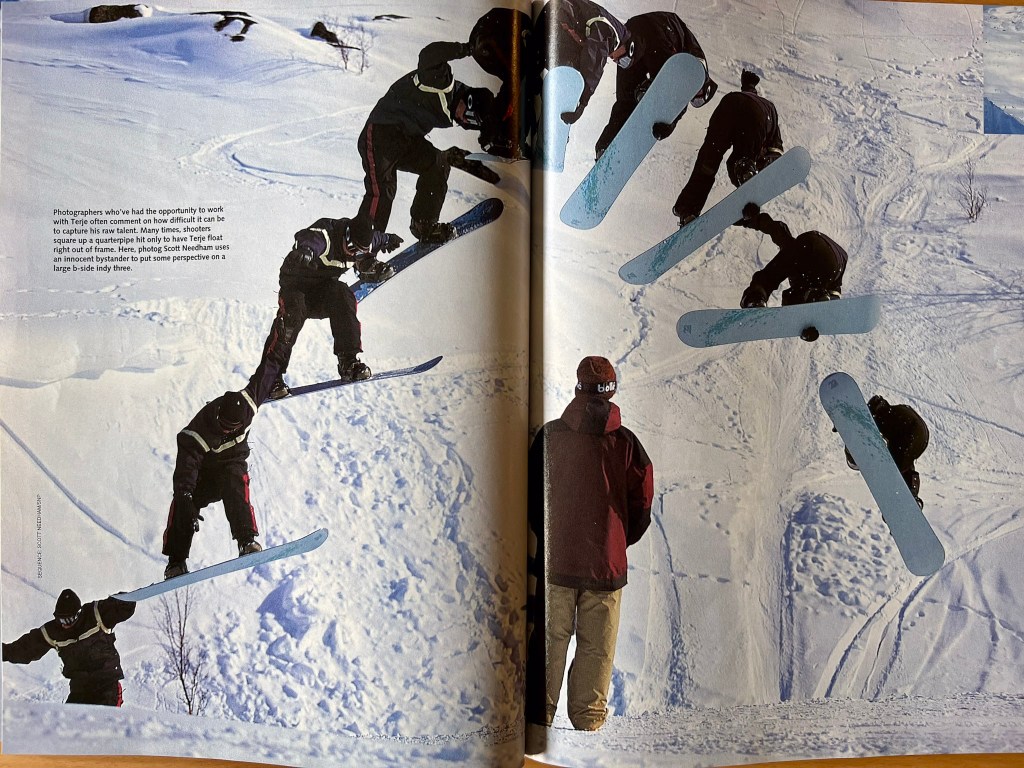
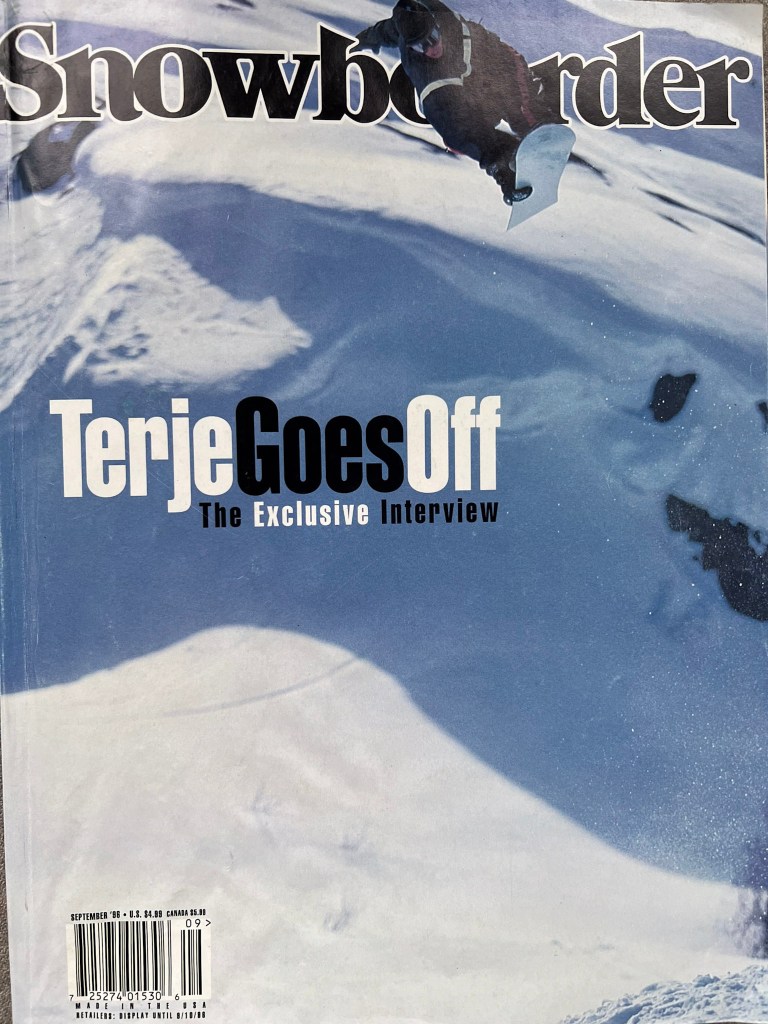
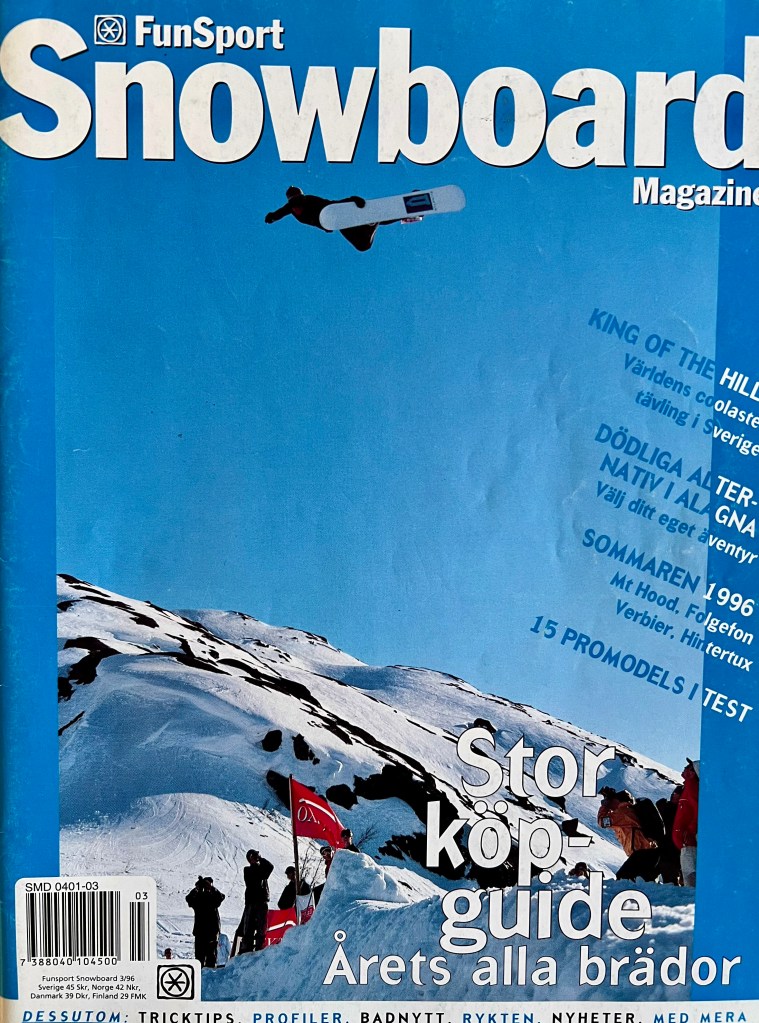
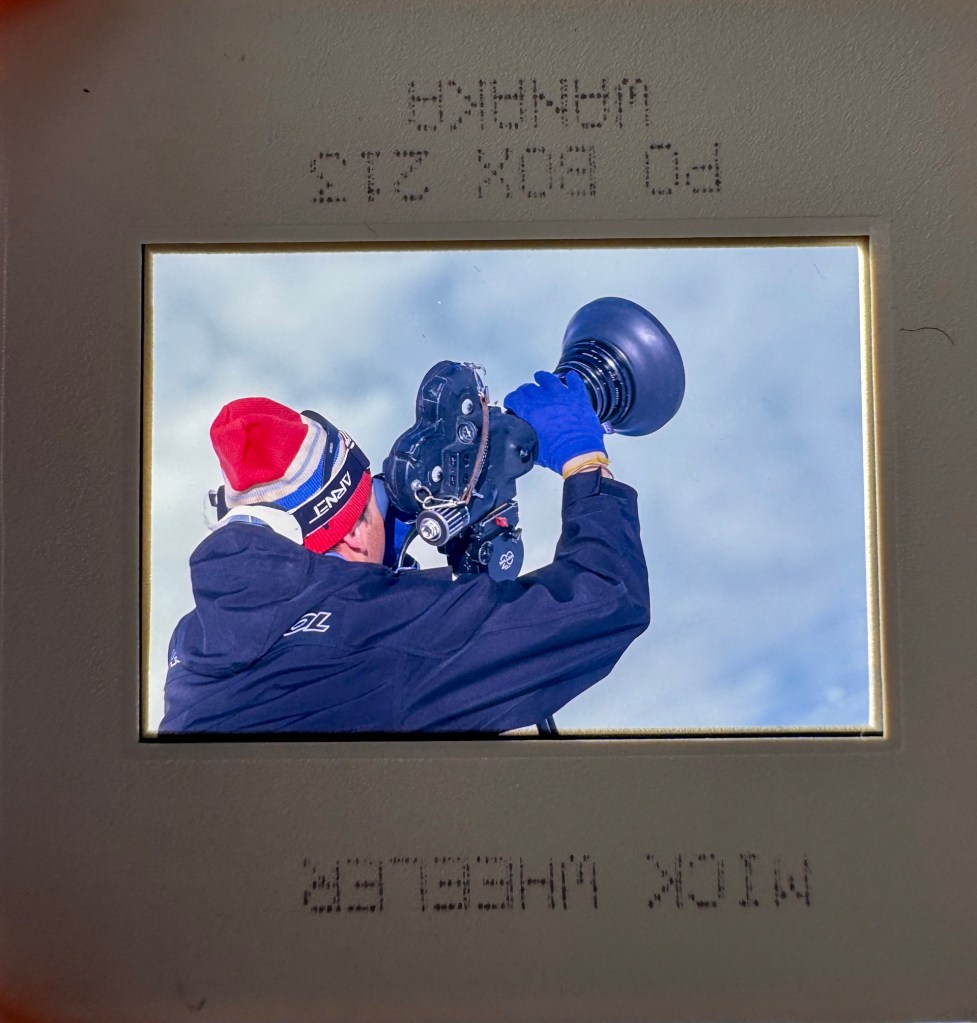
Back to the Subjekt shoot and we can’t get around the film gear Seoane used at the time — 16mm and 8mm cameras loaded with film. Terje laughs hard remembering the cameras of the day.
“When Wooly and Troy Eckert came to Europe to film the Volcom project The Garden, Wooly had a Super 8 camera that barely held together. I wondered whether it even still worked,” Terje laughs, and continues –
“My Super 8, which I’d gotten from my dad and thought was old, looked brand new by comparison. I actually used it a bit during the shoot, and some of the footage I shot made it into the actual film. I also shot footage for the movie Walrus Dreams (1998) with that same camera.”
But at The Garden‘s premiere in Australia, Terje was in for a surprise.
“The footage from those rickety cameras looked amazing. Everything about the film impressed me. The editing, the music, the flow — seriously impressive work.”
Which leads Terje into another fun story about 90`s film gear.
“During a snowstorm in Japan I remember Seoane standing there with an umbrella over his 16mm camera while he changed the film roll. He was practically freezing his fingers off fumbling with the reel change. Meanwhile we’re standing there nagging him about whether he’s done soon so we can drop in,” Terje laughs loudly.
Seoane remembers the episode but corrects Terje’s version.
“It wasn’t an umbrella; it was a tent. The reason I used the tent was that I’d sometimes shoot with a high-speed camera, and that film was especially sensitive to light exposure. It had to be protected from light so I’d stand there with a tent over the tripod whenever I changed reels,” the affable filmmaker laughs.
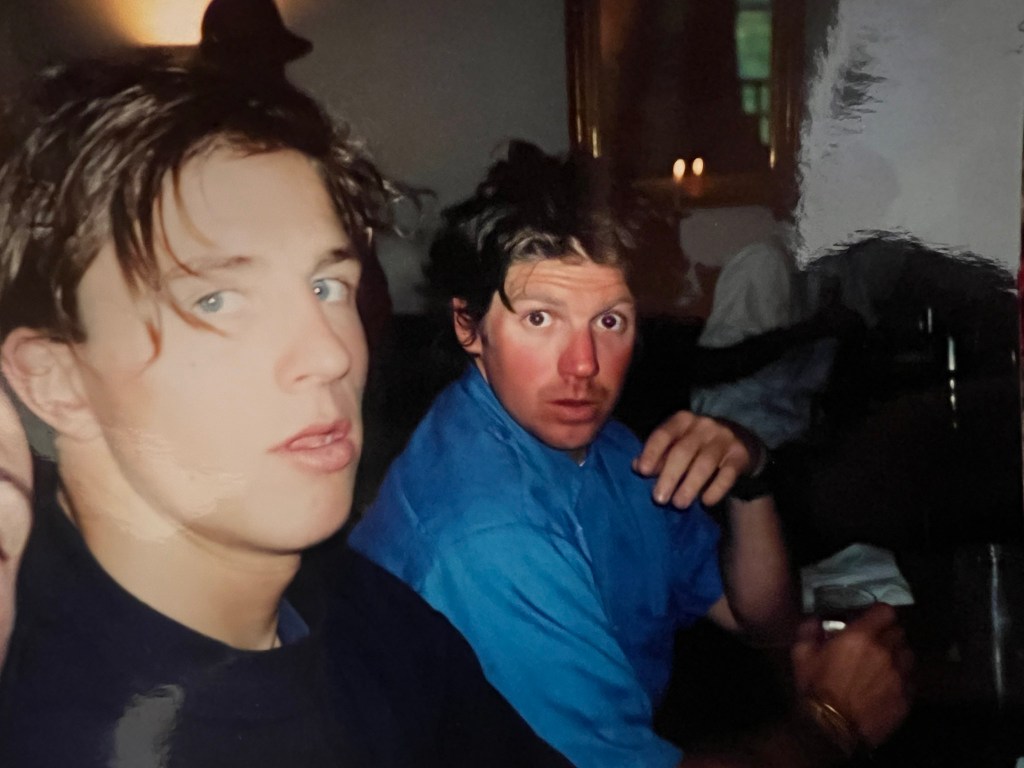
Sometimes the gear failed outright, too. Terje talks about a competition run he never got to see because the film roll was ruined by heat inside the camera. Or rolls that had turned green in storage and couldn’t be used. But luckily, Seoane’s footage mostly held up fine. And when something went wrong, Richard Woolcott had a fix, Terje recalls.
“Everyone shooting on 16mm experienced ruined footage at some point. It was a known thing among both snowboarders and the film crews in the industry. But Wooly said – hey, it’s OK, nobody else knows besides us – so we’d always look professional to the outside world, like we never messed up..ha-ha.”
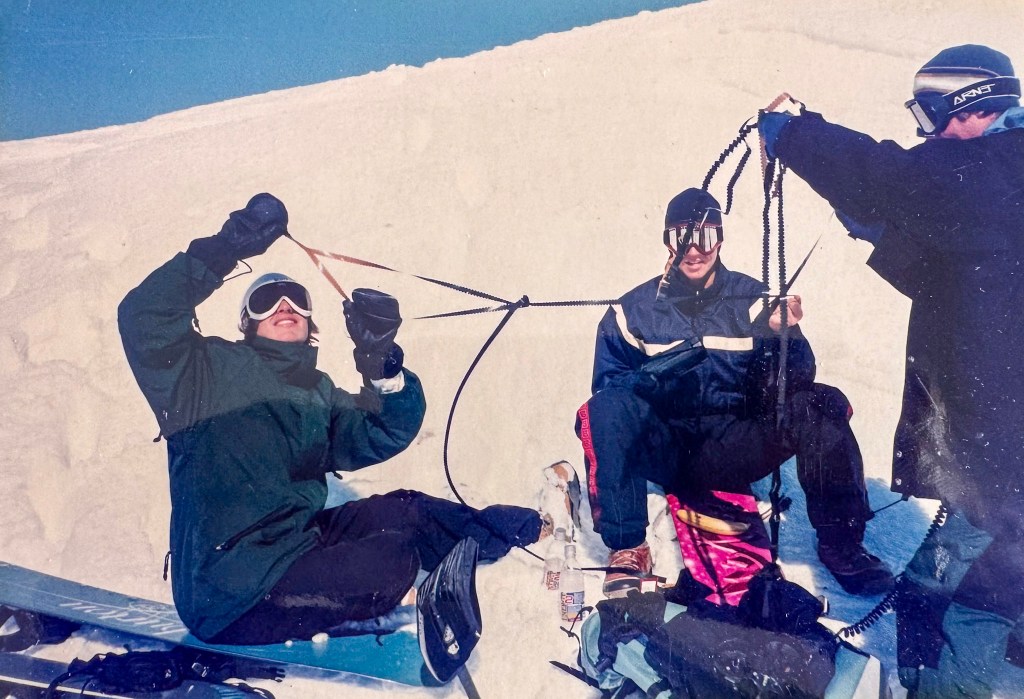
Woolcott makes an important point about how filming on analogue gear shaped both the filmers and the riders in the 90s.
“Unlike today’s digital camera gear where everything’s on memory cards, can be reshot endlessly and tricks can be reviewed on screen right after they’re landed, shooting on film was the exact opposite way of working. Once the camera was rolling everything had to come together which brought out the very best in both riders and film crew, who knew a botched trick meant wasting expensive film. Shooting analogue kept everyone sharp and no one was sharper or more professional on camera than Terje.”
Woolcott can’t say enough good things about how focused Terje was on camera.
“Terje has always been uncompromising when it comes to showing snowboarding at its best. We worked together on several of Volcom’s films and it was the same professionalism and efficiency every single time. That’s why Terje would often stick the trick on the first try which in turn made it possible to fill a 22-minute snowboard film with tricks from mostly a single rider, all gathered in just one season.”
When we ask Terje about his own approach to these film projects he tells us he went in wanting to show the full breadth of what snowboarding was.
“I landed tricks during the Subjekt shoot that I’d barely done before and have never done since. The goal was to show every conceivable shade of snowboarding, both freestyle and freeride.”
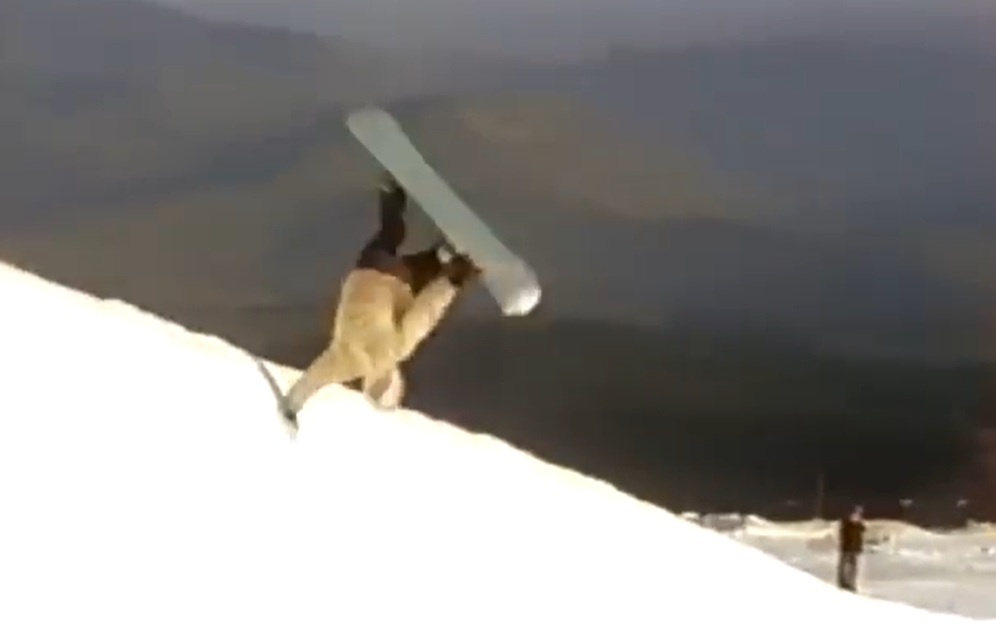
That’s why you can watch Terje do an entire pipe run at Mt. Hood made up of nothing but different hand-plant variations, to name one example.
The Editing
Right from the intro, Subjekt: Haakonsen broke from the standard snowboard-film setup of the day. Where other films followed the same recipe of quick intro segments with fast music, Subjekt went straight into riding mode and stayed there until Primus’s track Over the Electric Grapevine had played all the way through. A move that came about somewhat by accident says director Dave Seoane.
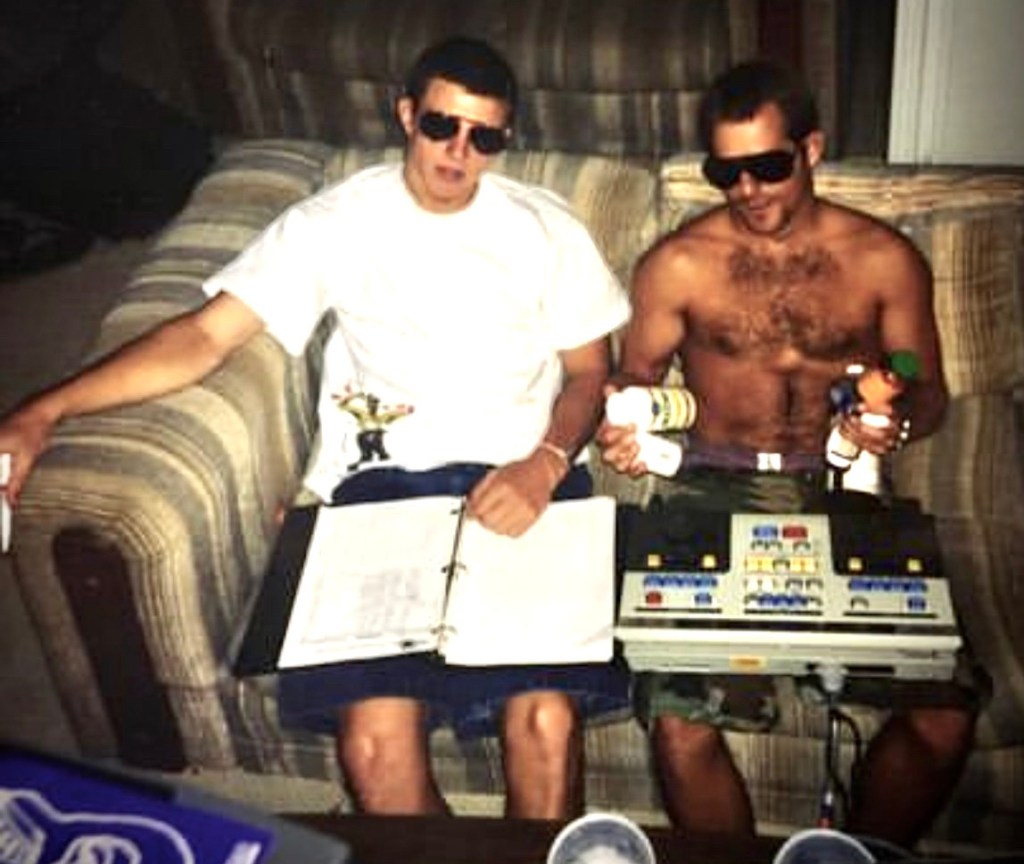
“We first put together a rough tape with all the clips we wanted in the film. Then we laid the Primus track over it from the start. As the film and the song rolled forward we realized the song just kept getting better the longer it went. It also matched the riding well. So we let it play all the way out and it became a natural edit to the film’s opening sequence.”
A choice that caught a lot of people off guard at the premiere, Seoane says.
“We got a lot of reactions to the intro section. People found it unusual to see a snowboard film that just went straight in with no intro part and one that ran pretty long on top of that.”
That same intro sequence also introduces the other riders Terje and Volcom made room for in the film — Daniel Franck, Sebu Kuhlberg and Bryan Iguchi, all Volcom team riders. Later in the film Michi Albin and Johan Olofsson showed up too. A smart move that gave the film organic flow and variety.
Terje himself was an important piece of the post-production puzzle. He remembers well the editing period in Woolcott’s trailer in Laguna Beach.
“We had huge amounts of footage transferred from 16mm and 8mm onto Beta tapes which we used to cut a rough tape. The editing equipment was rented and cost a fair bit so we worked efficiently editing from morning to night until we had a film we were happy with. I sat there with the storyline on paper while Wooly and Seoane handled the editing on this beast of a machine,” Terje laughs.
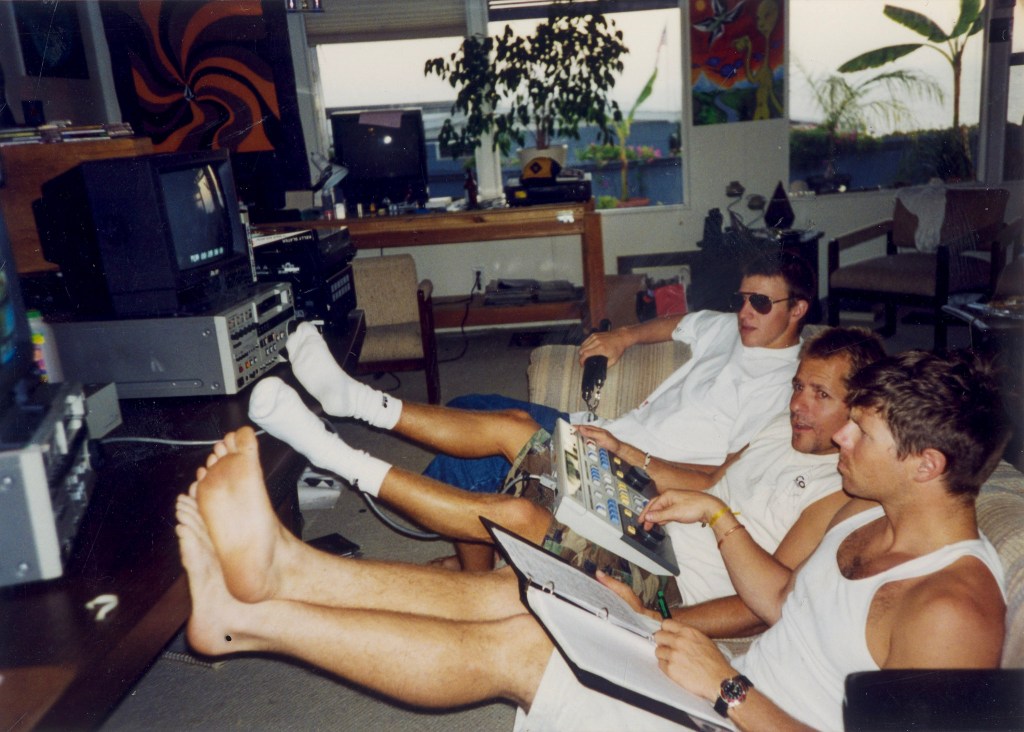
Woolcott elaborates:
“What stood out once we started editing the footage was just how technical and progressive the riding was. Even then, I could tell this film was going to blow people’s minds.”
Woolcott’s hunch turned out to be right. The film took the snowboard world by storm. The reason was precisely that high level of riding. Everything looked clean and good from the most technical tricks to the freeriding. Which wasn’t by accident, Terje confirms.
“I’d learned from MackDawg that only the best made the cut in his films. He was known in the industry for being ruthless in the edit. Tricks with even a hint of a butt-check or arm-waving didn’t make it in. That’s exactly why his films looked the best too. A mindset Wooly, Seoane and I carried into our project.”
The Soundtrack
Through their earlier productions, Veeco had built a name for themselves on distinctive music choices. Subjekt: Haakonsen was no exception and after the premiere it would become almost as famous for its music as for the riding.
Editing a film in the 90s was one thing — but what about using copyrighted music? The answer is as 90s as the 90s themselves were, says Terje, who remembers Woolcott’s approach well.
“After Wooly had chosen the music and laid it over the film he worked directly with the labels and most of them were supportive, letting us use the music.
Richard Woolcott remembers one specific story with Interscope Records.
“A funny story is from when we visited the President of Interscope Records, Tom Whalley. We wanted to use a specific Helmet song but Tom said he had a recording of a new Helmet song on a DAT-tape and asked if we wanted to use that instead. So I went home with this little DAT- tape wondering how on earth are were going to get this song transferred to a format we can edit to. We figured it out and Exactly What You Wanted fit the film perfectly.”
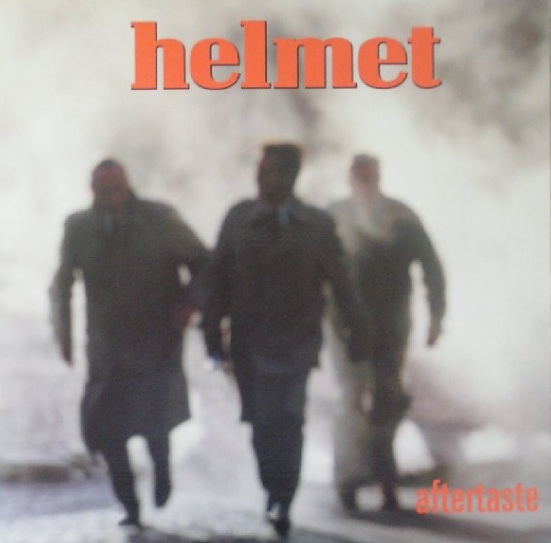
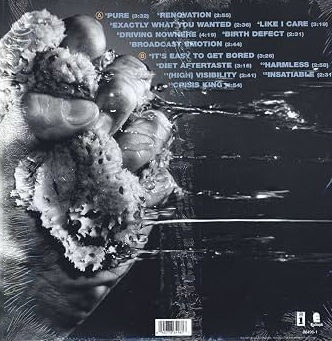
What made the Helmet track extra special was that it hadn’t even been released yet when Subjekt: Haakonsen premiered in September ’96. It only became available on the album Aftertaste released in March 1997. How unusual was that? Not that unusual, Woolcott confirms.
“This was long before music became a digital product and artists and labels used whatever promotional channels existed. Board sport films were considered valuable exposure platforms for music. A band could get their breakthrough through films like this. That’s why the labels were, generally speaking, very open to letting us use their artists,” says the Volcom co-founder, before continuing —
“Back then there was a lot of energy and momentum in action sports. So for the music industry, the action sports scene was hugely important for promoting and selling music. Looking back, the board sport sector and music industry were deeply linked. Everyone benefited from helping each other.
The Premiere
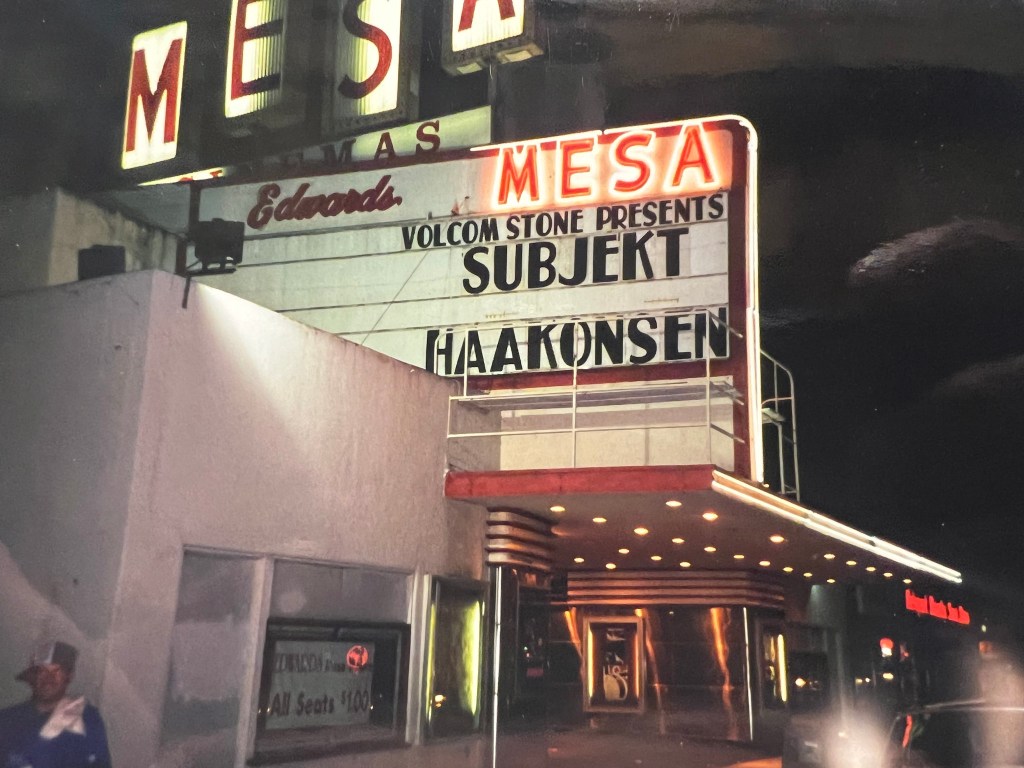
By September 1996 it was time for the premiere of Subjekt: Haakonsen – The Life and Times of a Sprocking Cat, at the Mesa Theater in Costa Mesa. The cinema, built in 1948, was one of several venues in the Los Angeles and Orange County area designed in streamline style by architect A. Dwight Gibbs. Adding to the lift of the evening was the marquee above the entrance giving off a clean, classic cinema look announcing what was about to screen that night. A night Terje, Seoane and Woolcott all remember well. In fact, Woolcott sounds a little moved when he looks back on it.
“We were lucky to get to use the Mesa Theater right by Volcom’s head office on home turf in Costa Mesa. It was huge to show the film we’d spent months working on, on the big screen, to an audience buzzing with anticipation. We’d worked with a sound engineer to get the sound right, color-corrected the whole film and then there we finally sat with everything having to come together. It’s such a powerful feeling — one you only get at screenings like that.”
Seoane remembers the same nervous energy as Woolcott.
“We’d spent so many hours in the edit room that we weren’t even sure ourselves how good the film was. We suspected it was good but not how good. We had to wait for the premiere to get anyone else’s reaction.”
And the reactions from the crowd?
At the Mesa Theater, Woolcott and Seoane say the film met with cheers from many but also a bit of puzzlement and an unsettled mood once the screening ended. It was like people were in shock, not sure how to comprehend what they had just seen.
What about the premiere in Oslo? How was the film received in Terje’s home country?
“I wasn’t at the Oslo premiere because I was abroad,” Terje tells us. “But I remember clearly hearing from friends who’d been there that when the film ended there was a short stretch of uncertain silence before the cheering broke loose.”
Two similar reactions to the same film, just on opposite halves of the globe.
For Woolcott it became an extra special night.
“For me the evening was an enormous relief. I had my family, friends, athletes and industry peers in the audience. This was a big deal for me. After the film I was just so relieved,” Woolcott laughs.
The same went for Seoane.
“It felt so good to finally show the film to an audience. But it didn’t take off right away. It took a bit of time to grow on people, but once it did it cemented itself as iconic.”
We’ll come back to exactly that part of Subjekt: Haakonsen’s life after the premiere.
So what was the film itself like?
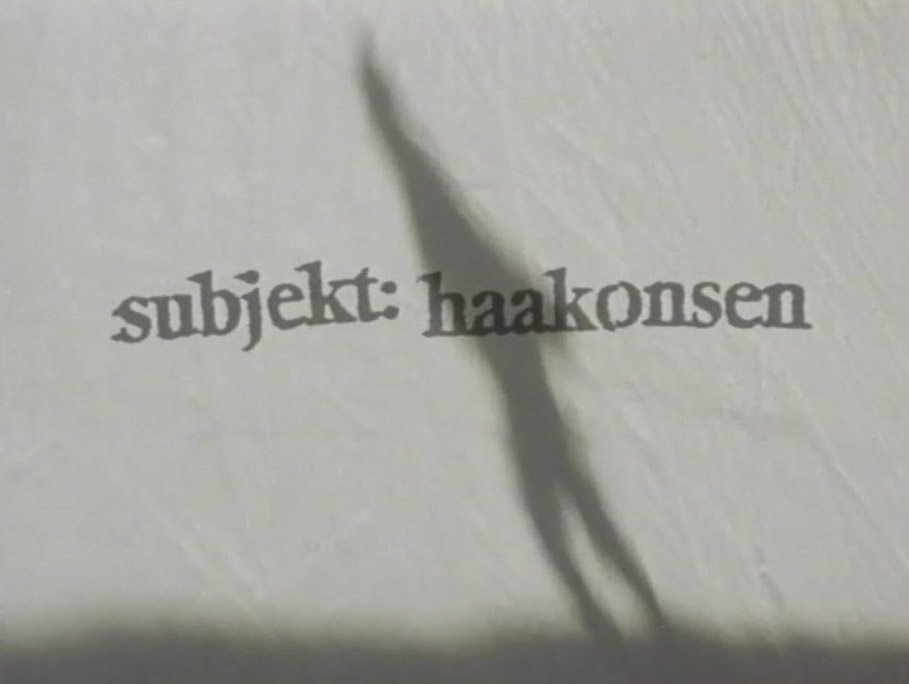
The Movie
As mentioned earlier Subjekt: Haakonsen opens with a nearly seven-minute sequence set to Primus’s track Over the Electric Grapevine. A track that matched the riding and the editing so well that it got retired. What do we mean by retired? No one has used the song in a snowboard movie since. The same way no one’s worn number 23 for the Chicago Bulls since Michael Jordan hung it up in 1994. Or the way no one’s skated the Chain-to-Bank spot in San Diego since Tom Penny’s flip-trick power display there in 1996.
The film’s opening sequence mixing pipe riding and freeriding at an extremely high level, was cut with such good flow that you were left sitting their slack-jawed afterwards. And the Primus track that scored it all was sealed forever as untouchable in snowboard films to come.
The rest of the film flowed along the same recipe with Terje and the crew showing off snowboarding in all its breadth — innovative pipe riding at Mt. Hood, freeriding in the New Zealand mountains, medal-collecting at Mt. Baker and Air & Style, goofing around with the cat, an emotional evolution segment, backcountry riding in Wyoming visiting Bryan Iguchi, and technical riding in the famous quarterpipe at Riksgränsen.
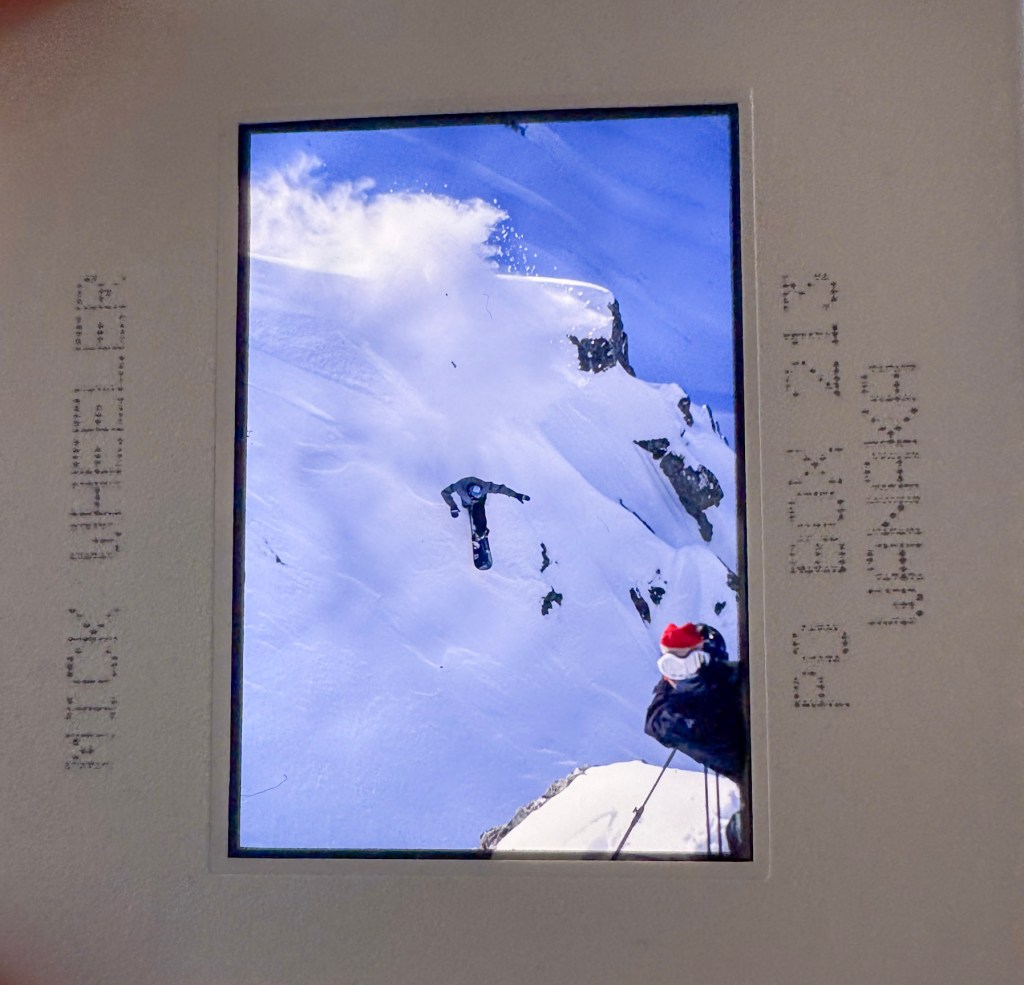
Through the closing track “Rumble in Brighton” by the Brian Setzer Orchestra, generations of snowboarders suddenly found themselves with a connection to the musician from Massapequa, just outside New York, known for reviving rockabilly and the swing revival in the 90s with his 17-piece orchestra. Over the song Michi Albin and Terje play around in the powder of New Zealand before Terje throws a backflip on the beach in shorts and the film fades out on Volcom’s iconic stone at sunset.
Subjekt: Haakonsen managed to hold the audience’s attention during the credits with Super 8 footage from Terje’s childhood. And yes, the cat was there too just like on the film’s cardboard cover. Who drew the cat on the cover? Terje’s Volcom teammate Jamie Lynn, of course.
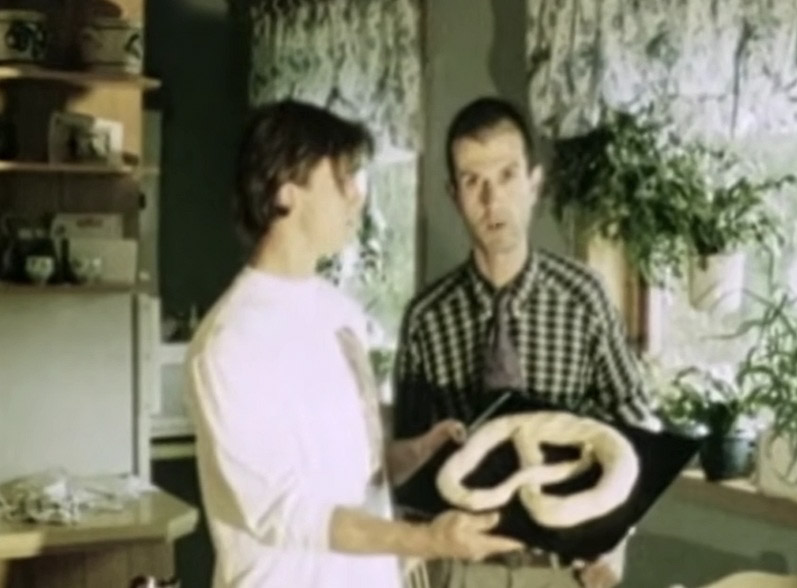
But the film wasn’t finished with the end credits. A secret bonus scene where Terje bakes a Danish Twisted Pretzel together with Ari Marcopoulos, with dad Per Håkonsen assisting, was a lighthearted, funny addition after 22 intense minutes of snowboarding.
The Aftermath
What happened to the film after the ’96 premiere? Dave Seoane explains —
“After the premiere I remember people telling me – sure the film was good but not much more than that. But then what happened was the film grew on people once it came out on VHS and they got to watch it multiple times. Only then did they notice all the details in Terje’s tricks and just how technical the riding really was.”
Richard Woolcott expands on Seoane’s reflections.
“Subjekt came out at a time long before social media and YouTube. It was only once Subjekt was out on video and people could watch it at home repeatedly that you could see which grab Terje was pulling on which trick and that he rode into several of them fakie. That’s the kind of thing that’s easy to miss when the film’s flying by at the premiere and people have had a few drinks.”
As for Terje, he went from being regarded as the best pipe rider in the world to a snowboard legend overnight after the premiere. A status that was probably already in place in many people’s eyes, but which was cemented once the film about the then-22-year-old Haakonsen came out.
For snowboarders around the world Subjekt: Haakonsen became a film you watched repeatedly until the tape on the VHS wore out. As the second snowboard film to center on one single rider, the first one being The Smooth Groove on Craig Kelly (1989), it resonated powerfully across the whole snowboard world.
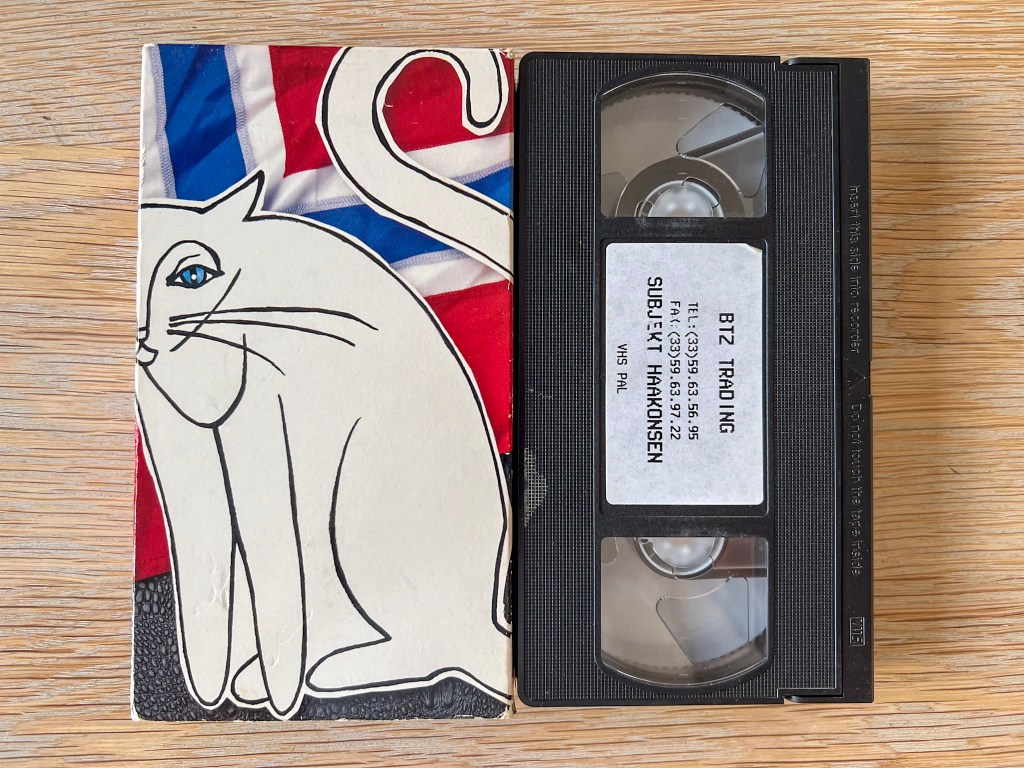
One person who started snowboarding after watching Subjekt is the French rider and artist Lucas Beaufort. He told 27-9 how influential the movie was growing up, when he came through Oslo with his art project The Common Line in April 2026.
“I started snowboarding because I saw Terje in Subjekt: Haakonsen. So of course my snowboard and art project The Common Line had to have an event in Norway. Anything else would have felt completely wrong,” the cheerful Frenchman told us at the time.
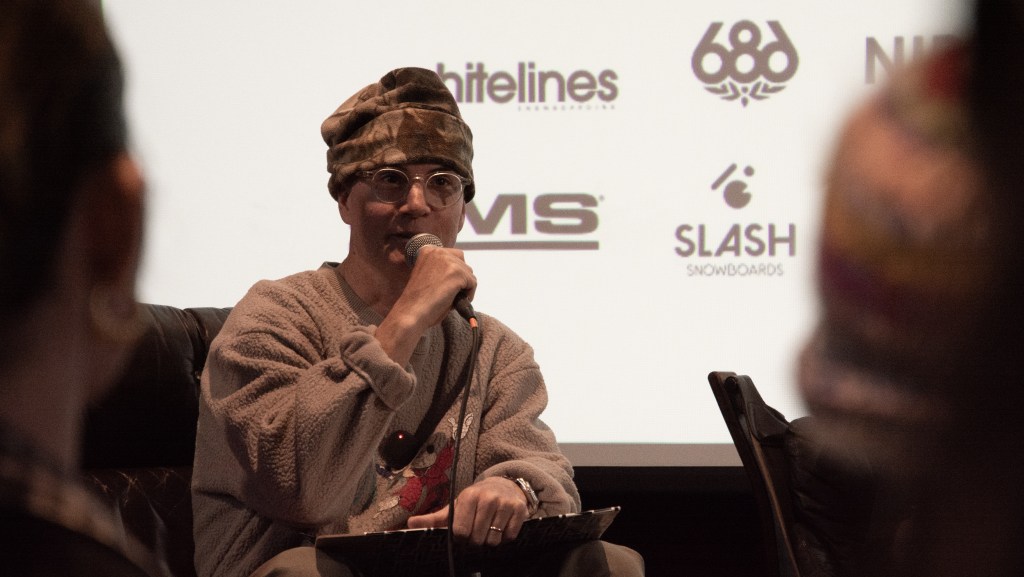
So there you have it. A snowboard film from 1996 that thirty years after its release was the indirect reason a snowboard-and-art project called The Common Line ever came into being and toured the world in 2026. Surely one of many similar stories about how Subjekt: Haakonsen has shaped the course of the snowboard world.
The Status
Thirty years is a long time for VHS-era snowboard media to stay relevant, but Subjekt: Haakonsen has managed exactly that. And it’s done despite no one ever restoring it or remastering it for a streaming service with bonus interviews.
Today, the film is only available on YouTube, or if you still have it on VHS. It occasionally disappears from YouTube before turning up again. That’s how the film has lived its own life since the premiere at the Mesa Theater in September 1996.
Watching Subjekt: Haakonsen today, two things stand out as especially impressive — the level of the riding, and just how well cut the film is. Something the editors themselves, Seoane and Woolcott, are clearly proud of when they watch it again in 2026.
“I had to rewatch the film for this piece, and I thought it held up remarkably well. The flow of the film and how the different parts fit together with the cat skits running through the whole thing, it all still works well,” Woolcott admits.
Dave Seoane agrees with his old partner Woolcott.
“Even though the trick level can’t compare to what we see in today’s films and the quality is grainy analogue, the film still works. There’s something really special about the flow and the feeling in it that’s timeless.”
When Terje rewatches the film in 2026, it’s been many years since he last saw it. The impression he’s left with is the same as Woolcott’s and Seoane’s —
“It flows really well. But I noticed I had a little butt-check on a trick I’d never done before, an upside-down 360. I also saw Guch had a check on a 360 drop off a cliff. The reason those clips made it in was that we had limited footage, so we chose to include it,” Terje says, referring to his earlier statement that all butt-checks and sloppy landings were kept out of the film.
Subjekt: Haakonsen will forever be a unique snapshot in time and a central work of snowboard history, from an era when the sport made up its own rules and the culture was in the process of defining itself.
With the dilution and fragmentation snowboarding and its culture have gone through in recent years, it’s more important than ever to know the background story of your own culture.
And that’s exactly why you should watch Subjekt: Haakonsen in 2026.
The Future
In 2018, long after snowboarding films had gone fully digital, Vans released the snowboard movie Landline shot on 16mm cameras using Kodak’s Vision3 film. Parts of the film also used footage from a Super 8 camera Kodak launched in 2016.
The film was made by director Tanner Pendleton in a formal partnership with Kodak Film.
At the Denver, Colorado premiere the crew talked about how demanding the shot had been on analogue gear — and that was with solid technical support from Kodak behind them. That’s relevant to Subjekt: Haakonsen because it underlines just how impressive a job Seoane did while filming on similar equipment 30 years ago, with no technical support beyond his own experience and know-how with the camera gear.
So, what about making a new film, guys?
A topic Seoane touched on in conversation with this article’s writer two years ago, and one that came up again in our chat in September 2026.
“I’ve had this idea for a while about getting the Subjekt crew back together and making a behind-the-scenes film where we go through every part of the film systematically from start to finish with the backstories from the shoot laid over as voiceover. That would be so much fun to pull off.”
But Seoane doesn’t stop there.
“I’ve also played with the thought of doing a new film project with Terje and the timing actually suits a lot better now than it did in 1996. Back then we had to work around Terje’s packed schedule, plus he needed a fair number of breaks from riding because of issues with the muscles in one of his calves. But these days Terje seems to be in the best shape of his life and we probably have less busy schedules now than we did in ’96.”
Terje chimes in on Seoane’s suggestion –
“I actually need to make one more film to get a trilogy,” Terje laughs.
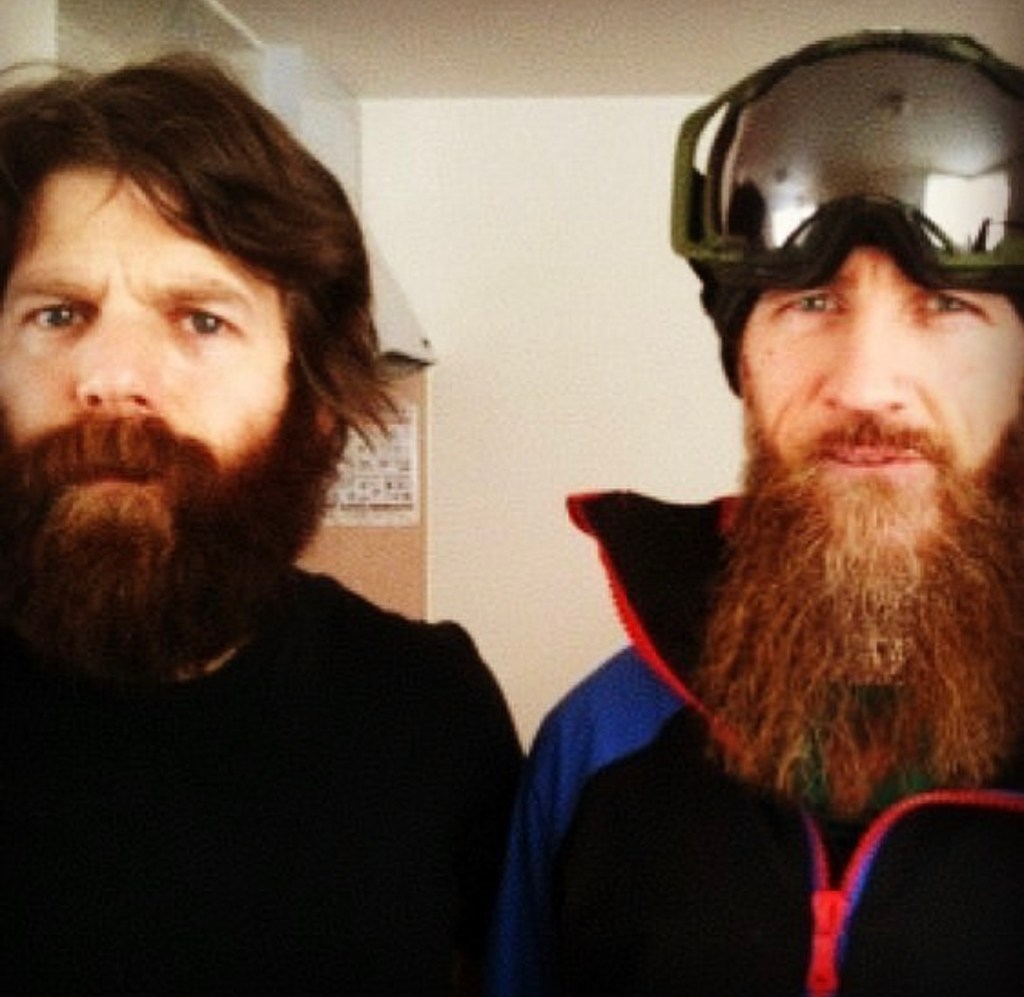
And there you have it — 27-9’s recipe for what Terje, Woolcott and Seoane should do next: tour the world with a re-screening of Subjekt: Haakonsen followed by an onstage panel talk with anecdotes from the shoot. On top of that they could show private photos from their personal archives from 1996 — photos we know the guys are sitting on, some of which we’ve been lucky enough to borrow for this piece.
And when you’re done with that you can just get started on making a new film. A film we’re certain will be yet another success.
And the premiere and the party? Well, you’ll hold those in Oslo.
Thanks in advance.


Leave a Reply